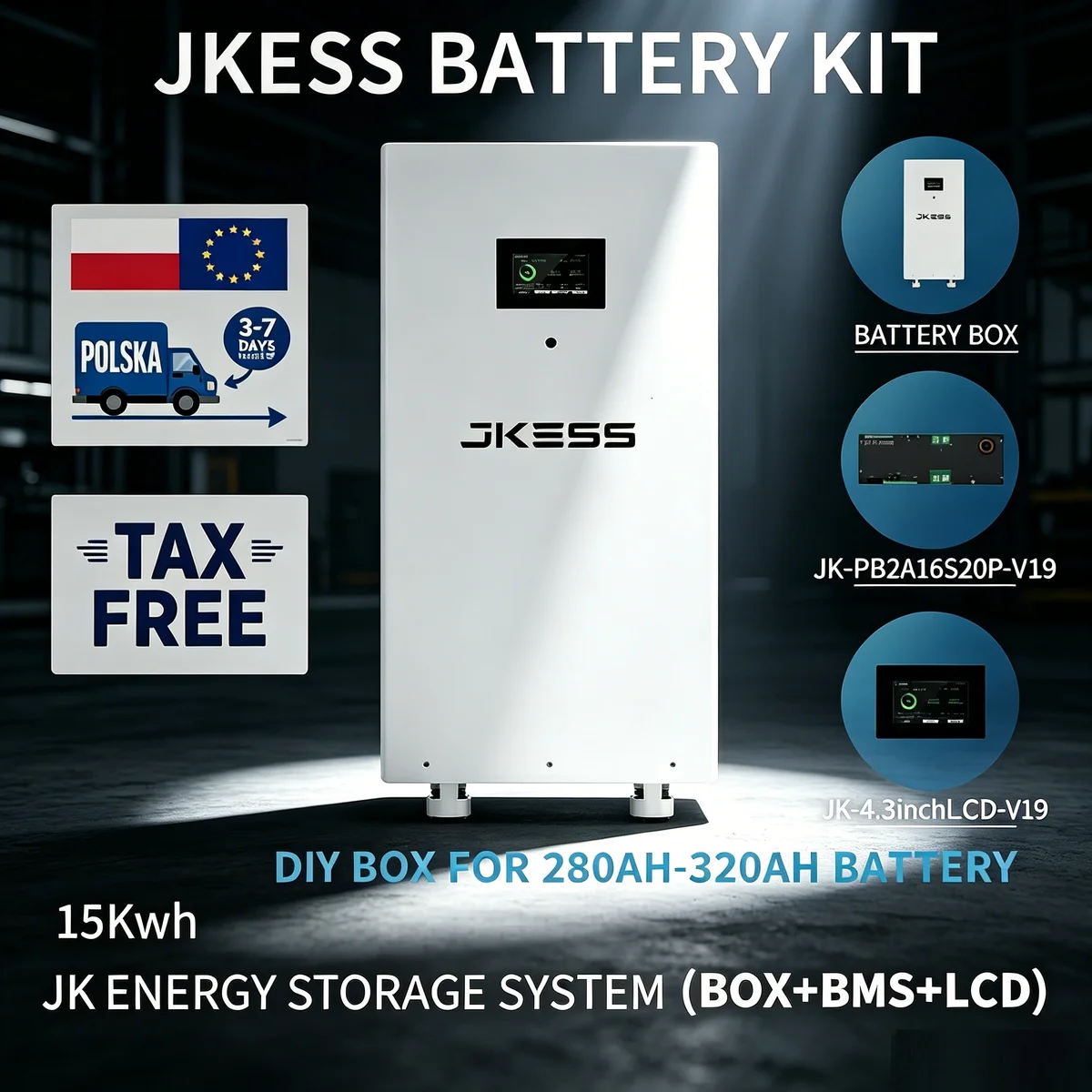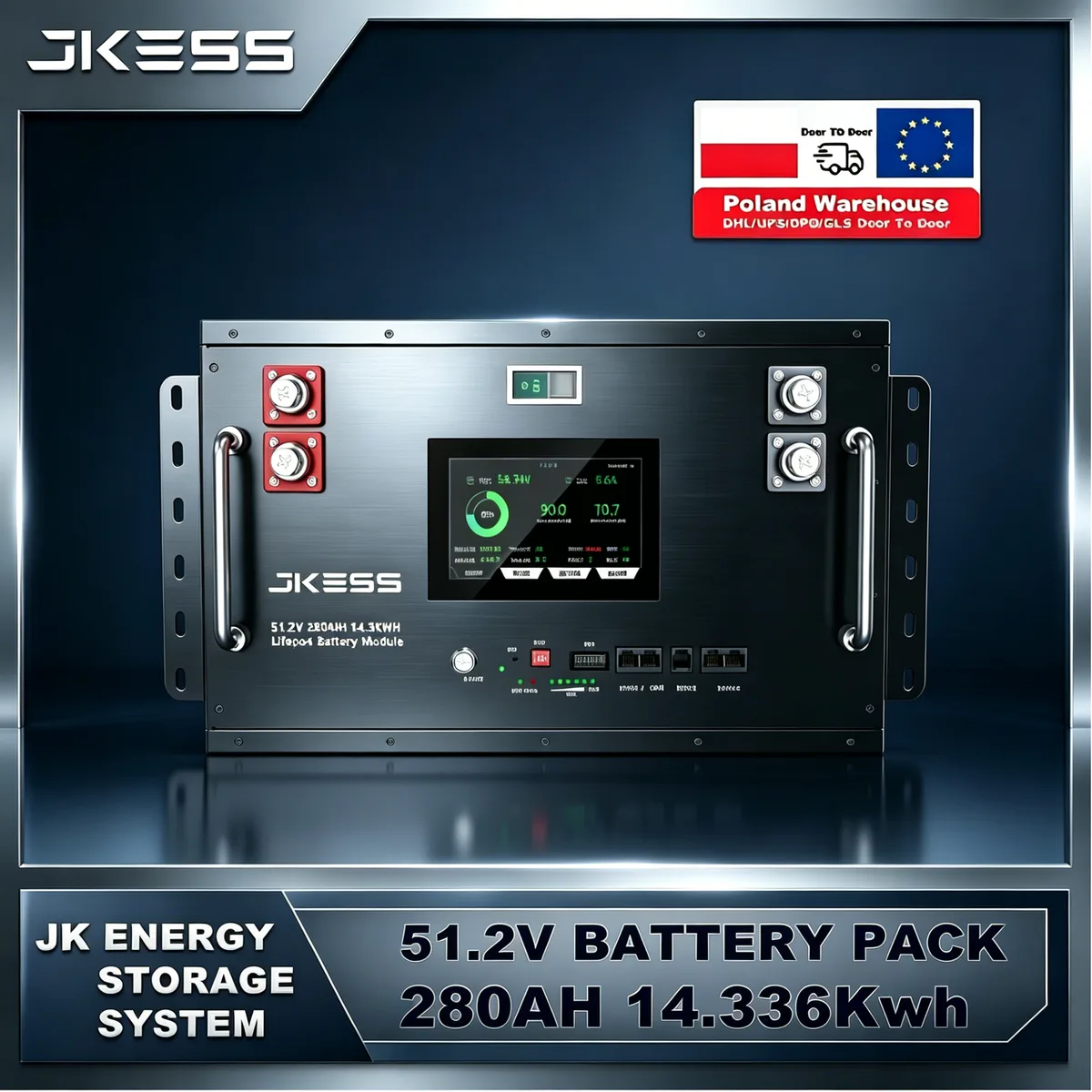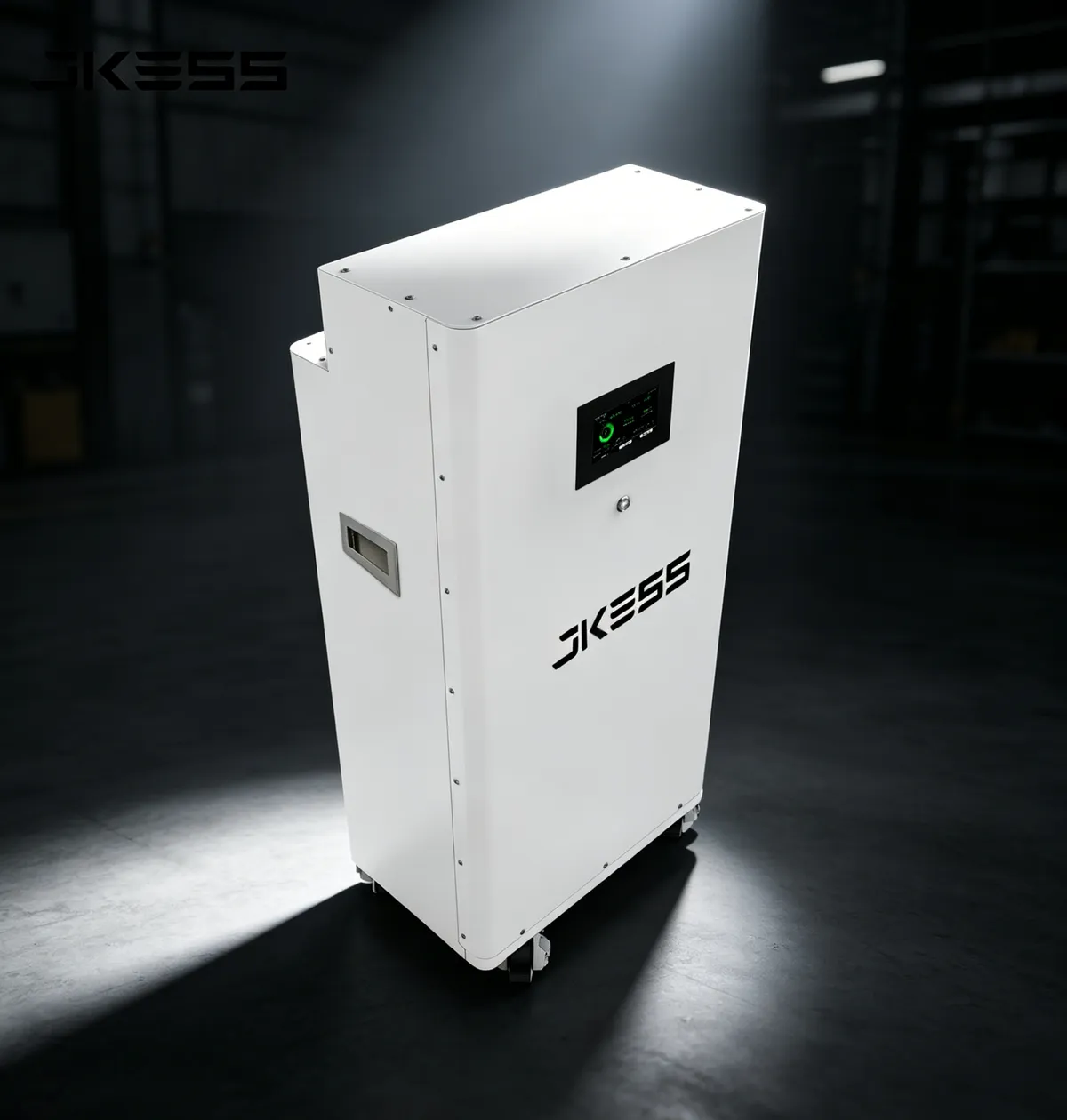
When to evaluate a 16kWh-class configuration
A higher nominal-energy configuration may be evaluated when the project needs more backup duration, more solar self-consumption, or additional operating reserve than a smaller assembly can provide. The correct capacity should be calculated from measured loads and expected operating hours, not selected only because a larger number appears in a product title.
For example, backup runtime depends on critical-load power, inverter efficiency, permitted depth of discharge, reserve state of charge, temperature, and battery ageing. A 16kWh nominal label is therefore not the same as 16kWh continuously available to the load.
Cell compatibility must be checked by model
The enclosure family supports specified 280Ah to 320Ah LiFePO4 configurations, but cells with similar amp-hour ratings can differ in width, height, depth, terminal layout, pressure requirements, and recommended busbar design.
- Provide a dimensional drawing or official cell datasheet.
- Confirm terminal spacing, busbar arrangement, insulation, and compression method.
- Confirm continuous and peak current against the cells, BMS, breakers, cables, and inverter.
- Confirm whether the selected option includes only the enclosure or the specified BMS and LCD hardware.
Installation and movement considerations
Caster wheels can simplify positioning, but the assembled battery will be much heavier than the empty enclosure. Confirm floor loading, ramp gradients, thresholds, wheel locking, cable strain relief, service clearance, ventilation, and a safe method for moving or securing the completed unit.
The product should not be treated as portable consumer equipment. Final installation, protection, earthing, isolation, and local compliance remain part of the system design.
16kWh versus multiple rack modules
A single floor enclosure can reduce the number of external rack components, while several rack modules can offer modular service and staged expansion. The choice depends on room layout, cabinet availability, maintenance strategy, current sharing, inverter limits, and the desired system architecture.