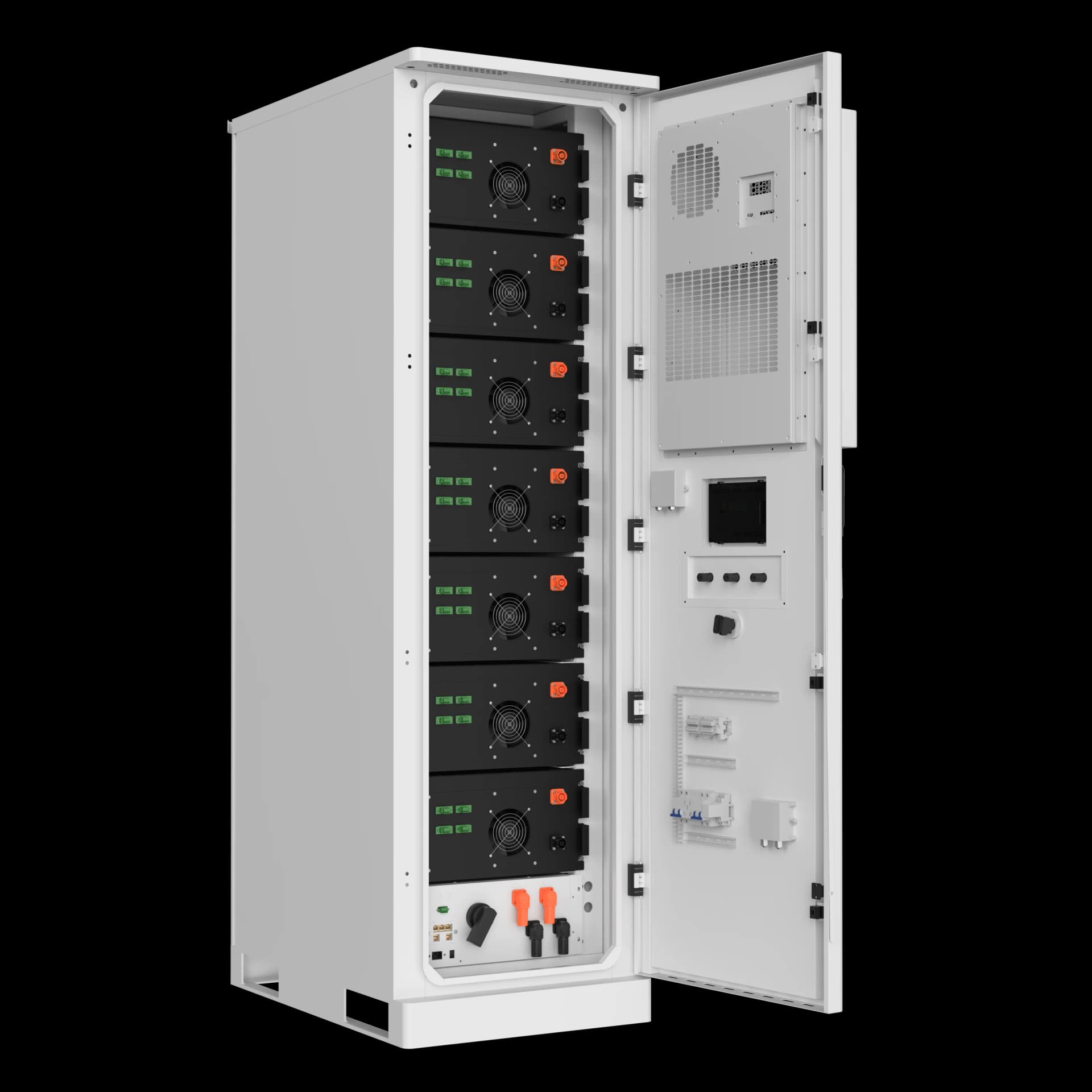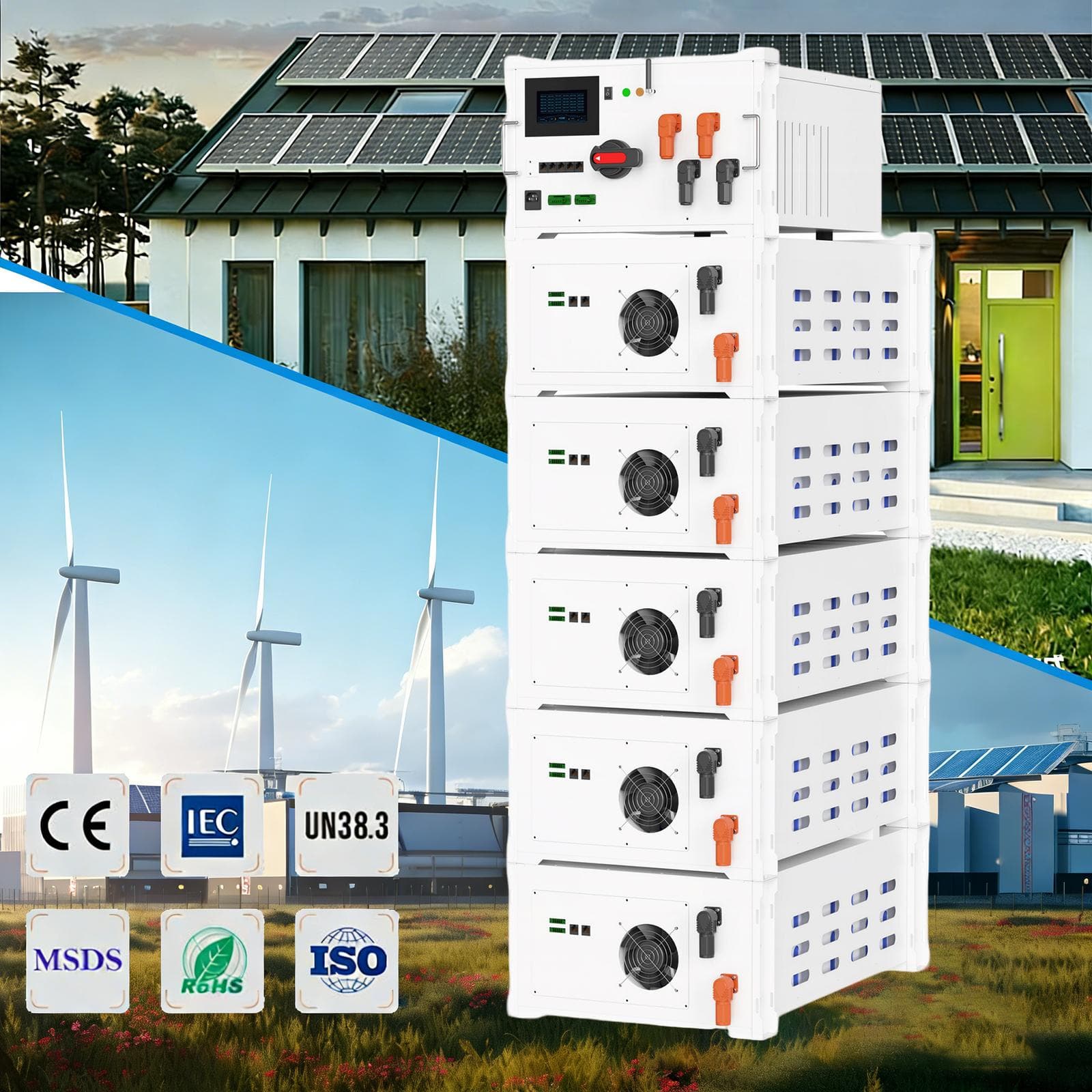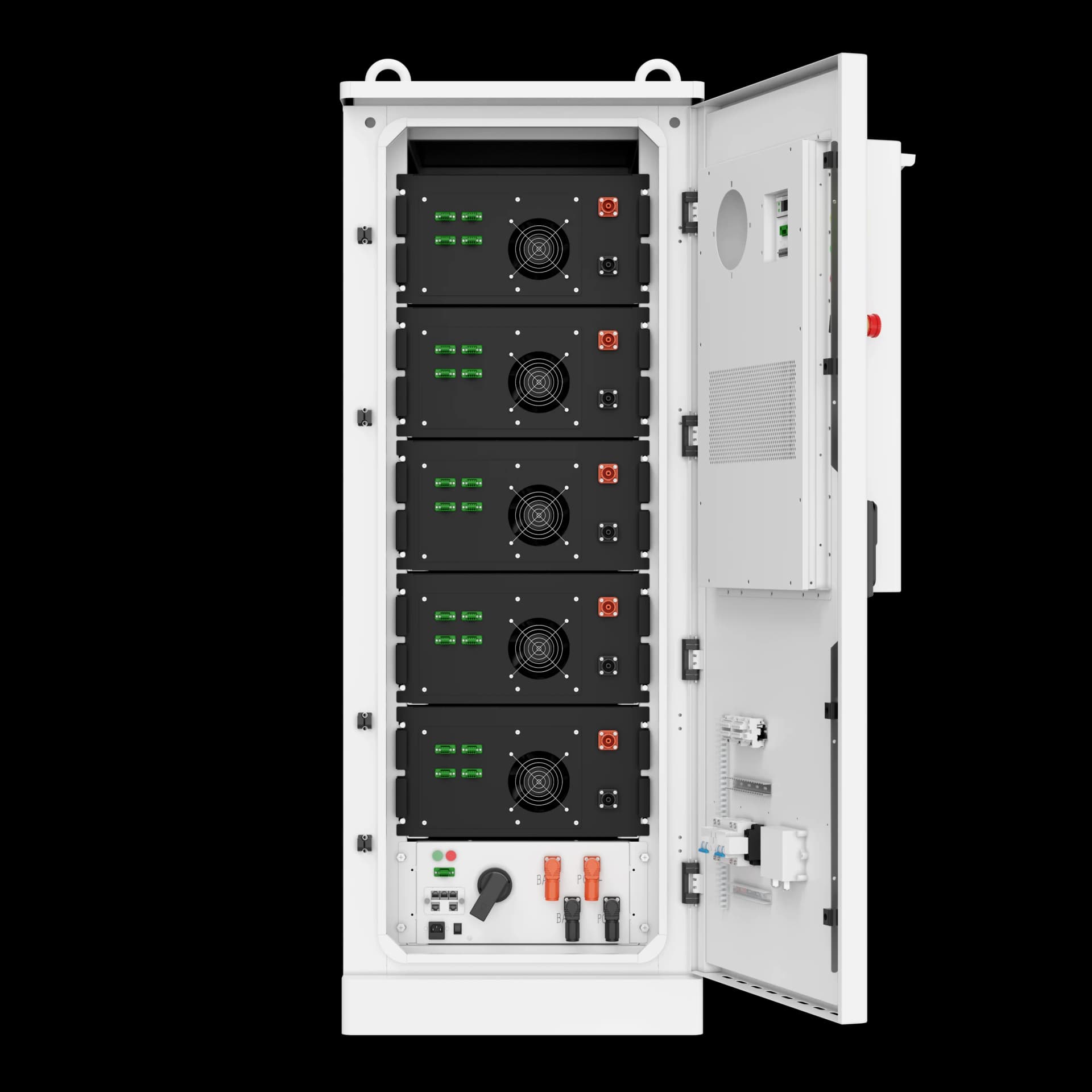
Where a 215kWh cabinet may fit
A 215kWh-class cabinet can be evaluated where load peaks last long enough to require substantial energy but the project does not necessarily need the largest single-cabinet configuration in the product family. Typical objectives include reducing demand peaks, shifting solar energy into later tariff periods, maintaining selected critical loads, or supporting a controlled microgrid.
Suitability cannot be determined from energy capacity alone. PCS power, load shape, event duration, grid voltage, solar generation, reserve requirements, cycling frequency, available space, and local rules must be assessed together.
How to estimate required usable energy
Begin with the power that must be supplied and the required duration. A simple power-times-time calculation produces an initial delivered-energy target, but the battery must also account for conversion losses, state-of-charge reserve, depth-of-discharge limits, degradation allowance, temperature, auxiliary consumption, and operating strategy.
The 215.04kWh nominal configuration should therefore not be presented as 215.04kWh continuously available at the AC load. Final usable energy is configuration and operating-condition dependent.
Project information needed for a quotation
Provide enough site and operating data to define the cabinet, PCS, EMS, cooling, protection, shipping, and service boundary.
- Measured interval load data, target peak reduction, backup load, duration, and operating objective.
- Grid voltage and frequency, transformer information, PV size, connection point, and export restrictions.
- Site country, ambient range, altitude, footprint, outdoor exposure, corrosion environment, and access route.
- Required PCS power, EMS functions, communications, fire protection, certification, freight, installation, and commissioning.
215kWh compared with 261kWh
A 261kWh configuration offers more nominal energy in the product family and may support longer events, a larger reserve, or fewer cabinets for a given project target. A 215kWh configuration may be preferable where the load profile, footprint, cost, transport, or staged-expansion plan does not justify the larger energy class. The comparison should be based on usable lifecycle energy and project economics, not nominal kWh alone.