What “15kWh” means for an enclosure kit
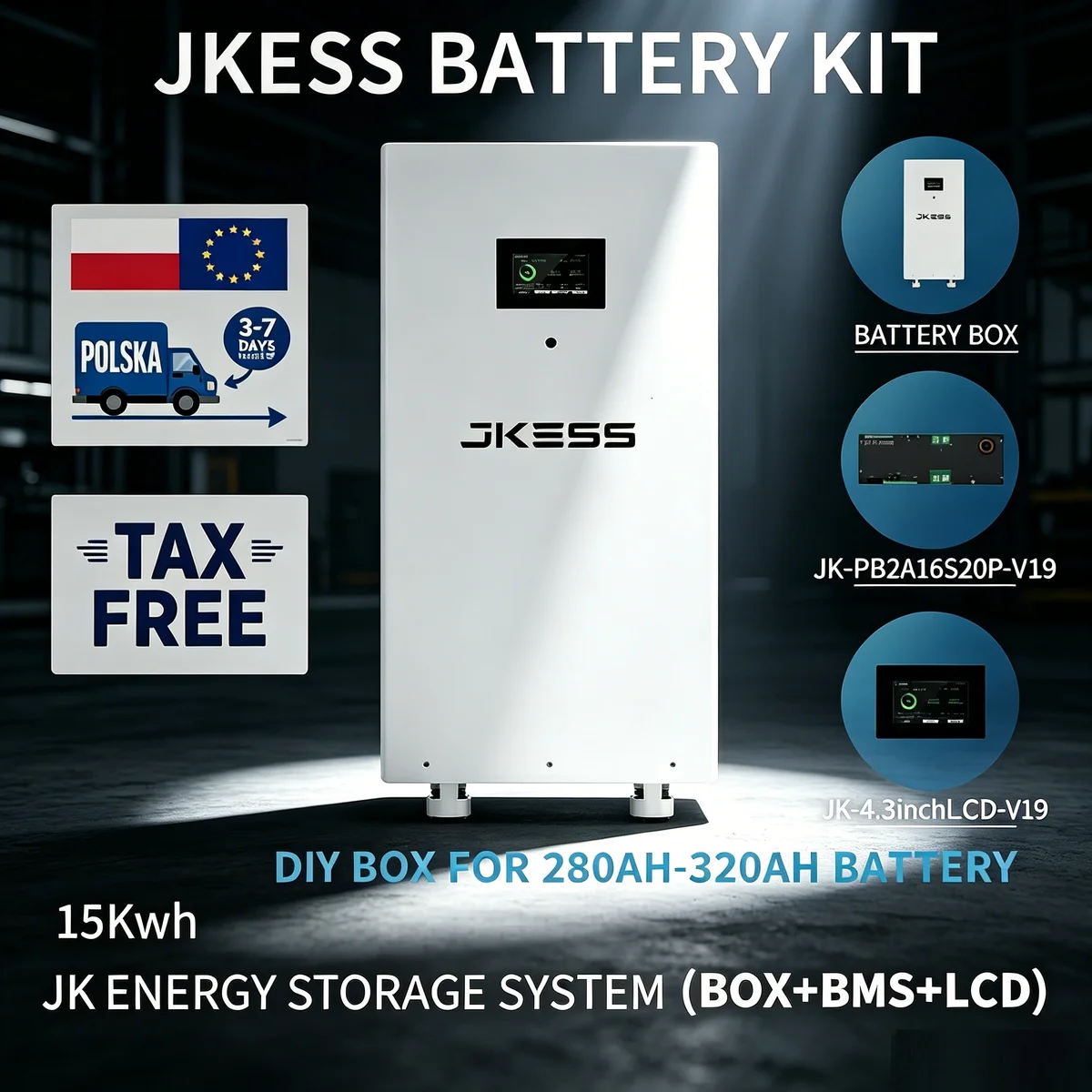
The enclosure itself does not store energy. The completed battery capacity is determined by the installed cells, nominal system voltage, usable state-of-charge window, BMS settings, and inverter operating limits. The 15kWh description refers to a supported assembled capacity class after compatible cells and required electronics are installed.
For purchasing and engineering, use the exact cell specification and expected usable energy rather than assuming every 15kWh-labelled battery has the same dimensions, current capability, or inverter compatibility.
Who this configuration is intended for
A movable floor-standing enclosure can suit residential solar backup, workshops, cabins, demonstration systems, and small commercial storage projects that need easier positioning than a fixed rack installation.
- Projects using a 51.2V low-voltage battery architecture.
- Installers sourcing compatible LiFePO4 cells separately.
- Sites that need a caster base for movement during installation or service.
- Systems where the inverter protocol and protection design will be confirmed before commissioning.
Inputs required before ordering
Cell amp-hour rating is not enough to confirm mechanical fit. Provide the cell manufacturer, model, dimensions, terminal position, compression method, quantity, inverter model, communication protocol, cable layout, and destination country.
Also confirm whether the project requires the enclosure-only package or the package containing the specified BMS and LCD hardware. Battery cells, inverter, charger, external breaker, external cabling, onsite assembly, and commissioning are not included unless separately quoted.
15kWh enclosure versus a rack battery kit
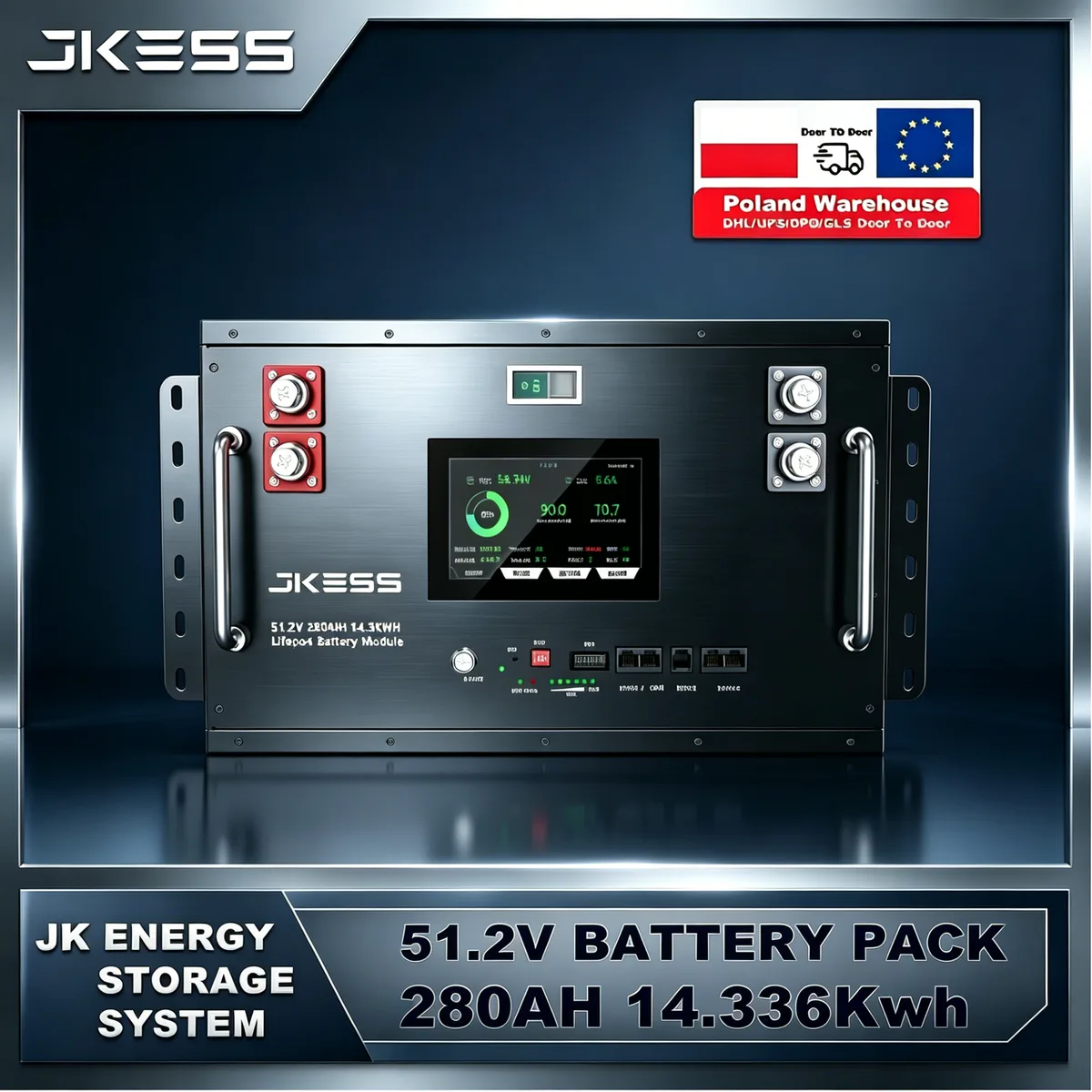
Choose a floor-standing caster enclosure when mobility and direct floor placement are useful. Choose a 6U rack enclosure when the project is designed around a standard 19-inch cabinet, front service access, controlled rack airflow, and modular stacking. The completed electrical design remains project-specific in both cases.