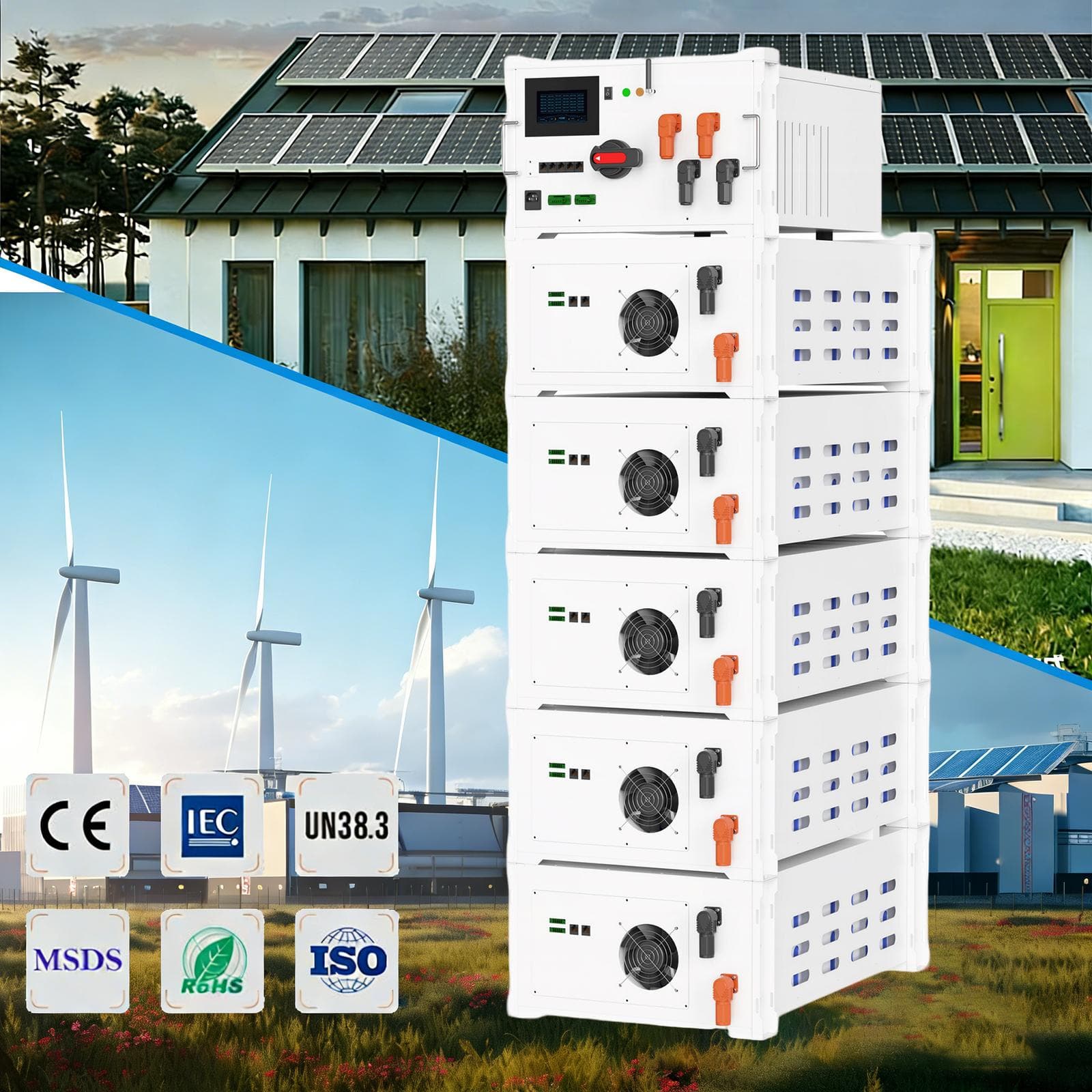
What a BCU does
The battery control unit is the rack-level master. It receives cell and temperature information from BMUs, evaluates rack operating state, coordinates contactors and pre-charge logic, and communicates with the PCS, EMS, or supervisory controller.
Depending on the architecture, the BCU can also process total voltage, current, insulation status, interlock state, alarms, state-of-charge estimates, and charge or discharge power limits.
What a BMU does
A battery monitoring unit is installed at module or cell-group level. It measures individual cell voltages and temperature channels, reports them to the master, and supports balancing when the selected hardware provides that function.
One BMU does not automatically cover an entire rack. Required BMU quantity follows the number of series cells, module arrangement, channel count, and isolation and communication architecture.
Why the distinction matters during purchasing
A product option labelled “master” or “slave” is one control box, not a complete high-voltage battery system. A functioning rack normally needs the correct combination of BCU, BMUs, sensors, contactors, protection devices, harnesses, PCS or inverter interfaces, and commissioned firmware.
- Provide the total cell count, module count, rack voltage, continuous current, and peak current.
- Provide the PCS and EMS model together with CAN or RS485 protocol documents.
- Define contactor, pre-charge, insulation-monitoring, emergency-stop, and interlock requirements.
- Confirm whether active balancing, remote monitoring, data logging, and OTA support are required.
Typical communication path
BMUs usually communicate upstream to the BCU through an isolated daisy-chain or field bus. The BCU then exchanges operating limits, measurements, status, and alarms with the PCS or EMS. Physical connectors alone do not prove interoperability; signal definitions, message identifiers, timing, scaling, state logic, firmware, and wiring must all match.