Start with the exact cell model
Capacity labels such as 280Ah, 304Ah, or 314Ah do not prove that a cell fits a cabinet. Width, height, depth, terminal position, vent location, compression method, busbar geometry, and insulation clearance can all differ between suppliers.
Before ordering an enclosure, provide the official cell datasheet and dimensional drawing. This avoids a common problem where the electrical capacity looks correct but the mechanical pack cannot be assembled cleanly.
Confirm BMS and inverter compatibility
A completed 48V-class battery normally needs correct voltage limits, charge and discharge current limits, CAN or RS485 communication, cable pinout, breaker selection, and commissioning settings. Connector type alone is not a compatibility guarantee.
- Share the inverter brand, model, firmware, and supported battery protocol.
- Confirm CAN or RS485 message format, baud rate, pinout, and termination.
- Check continuous current, surge current, cable size, breaker rating, and thermal path.
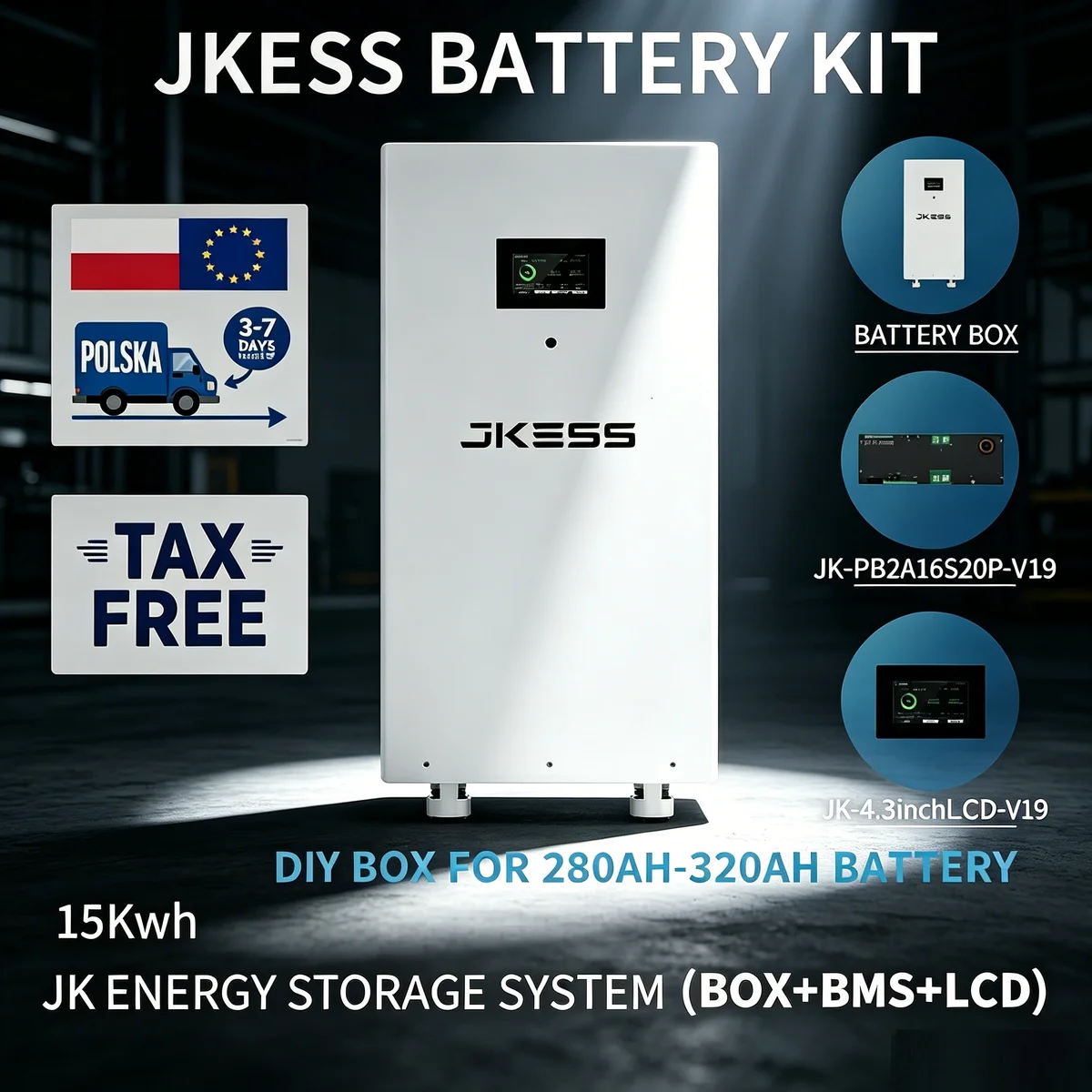
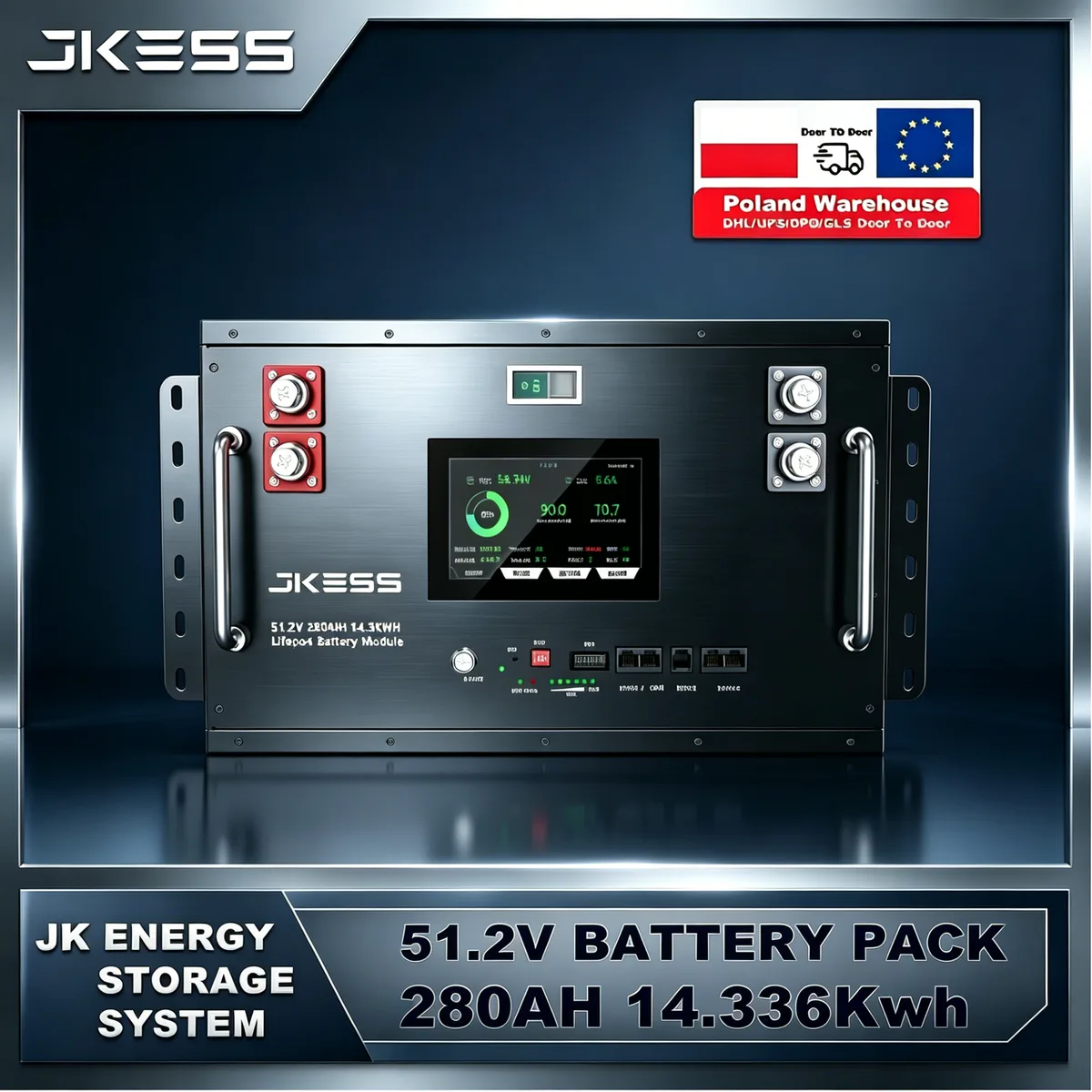
- Define whether the project needs enclosure-only supply or integrated BMS and LCD hardware.
Choose between floor-standing and rack formats
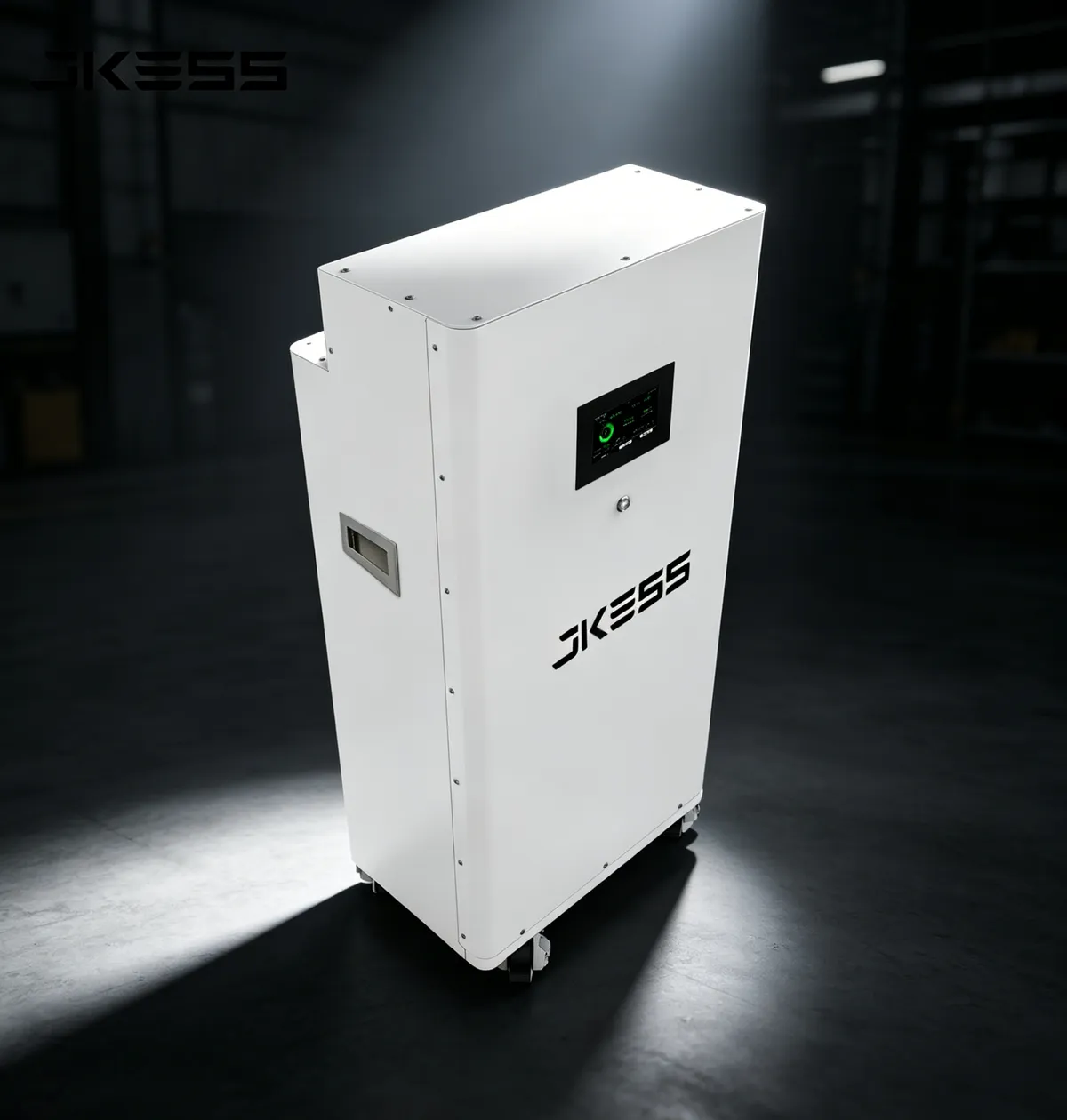
A caster enclosure can help during positioning and service access in residential or small commercial rooms. A 6U rack kit can suit equipment cabinets, telecom rooms, and modular battery banks where rack depth, rail rating, airflow, and cable management are already planned.