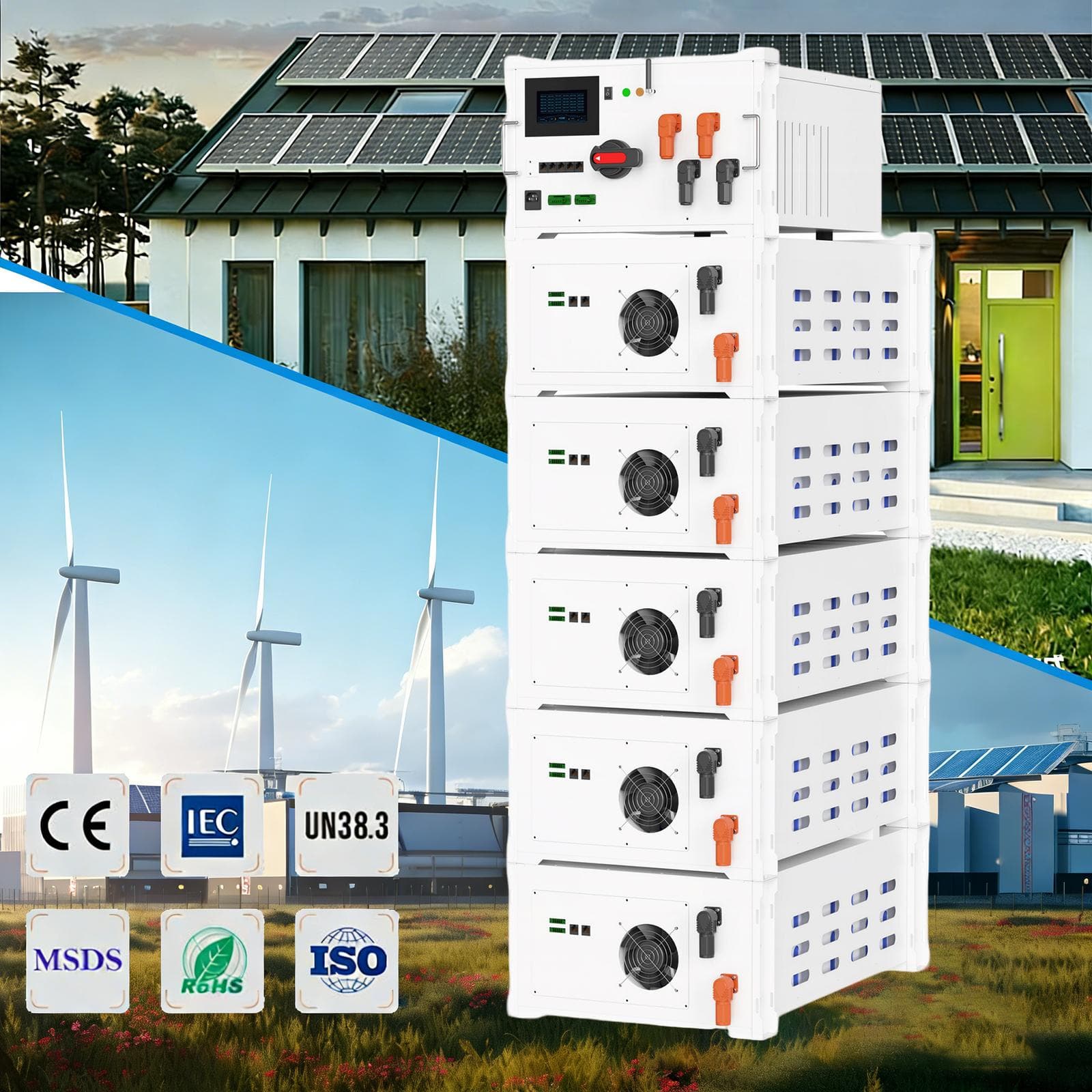
BCU and BMU control architecture

High-Voltage BMS Hardware for Commercial Energy Storage

A high-voltage battery management system coordinates cell monitoring, current and voltage detection, insulation supervision, protection logic, communication, and control across a commercial battery rack. JKESS supplies individual BCU master and BMU slave control boxes for integration into a complete engineered system.

Current options

100A or 200A control architecture

Master control

BCU-B3 with total-voltage detection

Slave control

BMU-H5-16 with 2A active balancing

Interfaces

CAN, RS485, and isoSPI

BCU master and BMU slave roles

The BCU master controller supervises rack-level measurements, protection states, contactor logic, insulation information, current detection, and communication with PCS or EMS equipment. BMU slave controllers collect individual cell voltage and temperature data and coordinate balancing within their assigned battery modules.

A complete system normally requires one or more control boxes selected from the final pack count, cell count, voltage range, current level, communication design, and safety architecture. The displayed price for a variant applies only to that selected control box.

Information required before selection

High-voltage BMS selection should begin with the electrical architecture rather than a product name alone.

  • Total pack voltage, cell chemistry, cells in series, module count, and rack count.
  • Continuous and peak current, contactor arrangement, pre-charge design, and protection thresholds.
  • PCS and EMS models, CAN or RS485 protocol documents, and network topology.
  • Required insulation monitoring, high-voltage interlock, active balancing, remote monitoring, and certification targets.

Supply boundary

The high-voltage kit listing covers the selected BCU master or BMU slave control box. Battery cells, modules, battery racks, high-voltage cabling, contactors, PCS, EMS, inverters, installation, commissioning, and full-system engineering are not automatically included.
Frequently asked questions

Selection questions

What is the difference between a BCU and a BMU?

The BCU performs rack-level master control and communication, while BMU slave units collect module-level cell voltage and temperature information and support balancing. The required quantities depend on the battery architecture.

Does a 200A BMS mean the complete battery can always deliver 200A?

No. Final system current is limited by the complete design, including cells, busbars, cables, contactors, fuses, breakers, thermal conditions, PCS, protection settings, and duty cycle.

Is CAN or RS485 support enough to confirm PCS compatibility?

No. The physical interface alone is not sufficient. Protocol messages, baud rate, identifiers, scaling, state logic, wiring, firmware, and commissioning settings must match.