Power and energy are different sizing questions
Power in kilowatts determines how much of the site peak the system can offset at one moment. Energy in kilowatt-hours determines how long that reduction can be sustained. A short, sharp peak may require high power but limited energy, while a long plateau requires more usable capacity.
For an initial screening example, reducing a 60kW peak for two hours requires approximately 120kWh of delivered energy before adding conversion losses, reserve margin, operating limits, degradation allowance, and site-specific constraints. This is an illustration, not a final system design.
Data needed for a peak-shaving study
Monthly utility bills are useful, but interval data provides the information needed to understand peak magnitude, duration, frequency, and timing.
- At least several months of 15-minute or finer interval load data where available.
- Demand-charge rules, contracted-capacity limits, tariff periods, and export restrictions.
- Existing and planned solar generation, generators, large motors, EV charging, or variable production loads.
- Critical-load requirements, backup expectations, site voltage, transformer capacity, and available connection point.
How the storage cabinet is configured
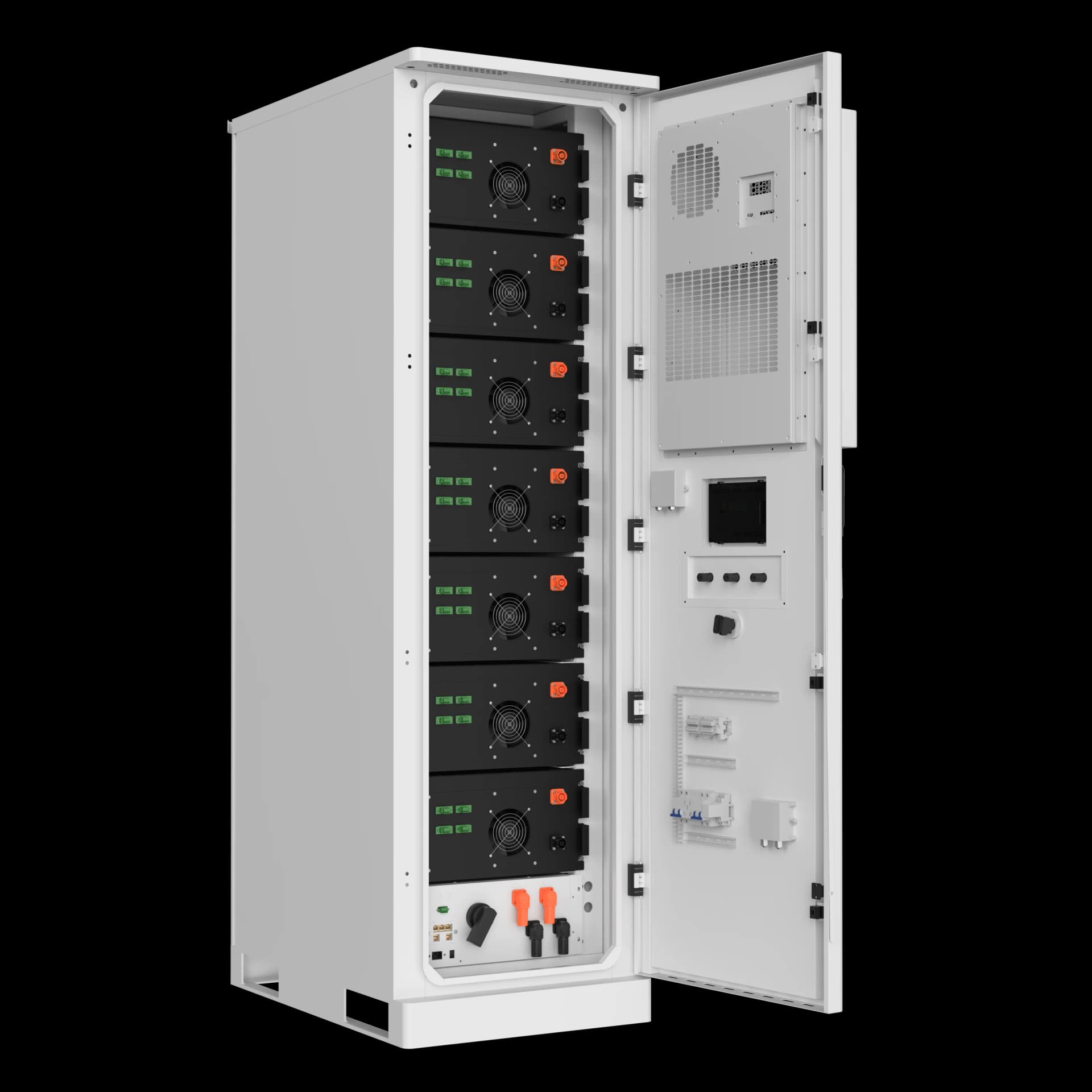
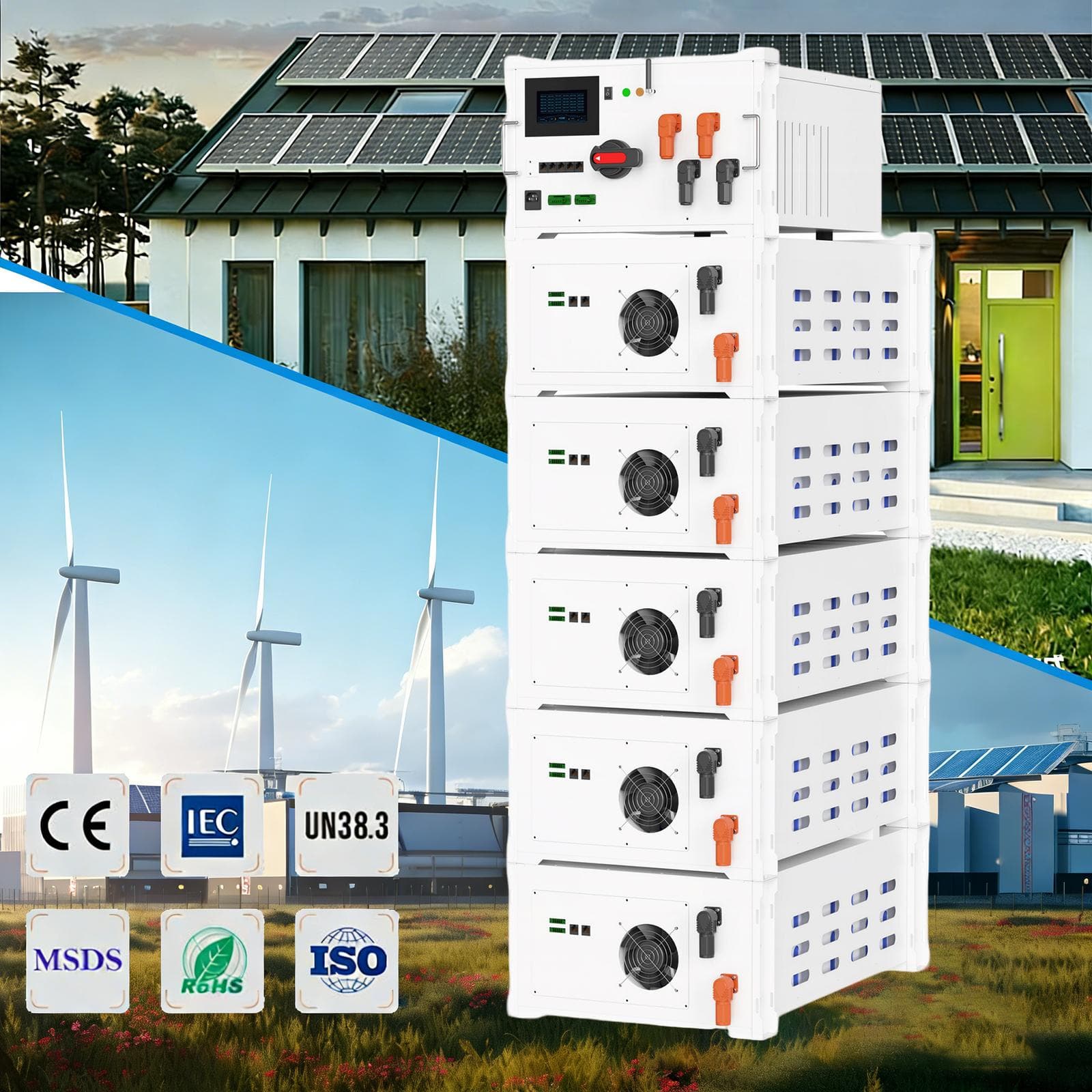
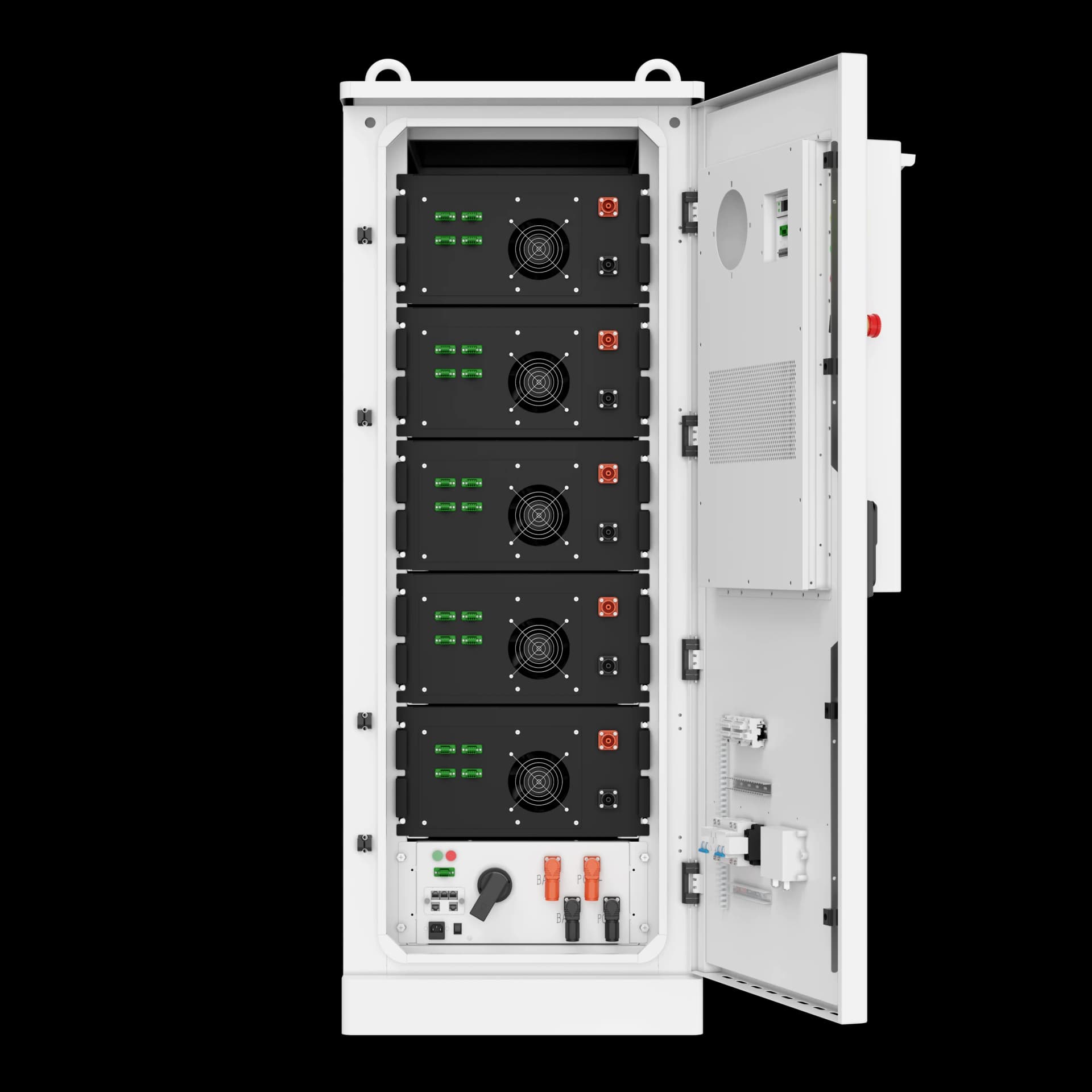
The selected battery capacity, PCS power, EMS strategy, cooling method, fire protection, enclosure rating, monitoring, and communication are coordinated around the site duty cycle. JKESS C&I cabinet configurations cover approximately 64.3kWh to 261kWh and 30kW to 125kW, but the correct configuration must be derived from project data.
Economic review
A financial model should compare avoided demand or capacity costs with equipment, installation, financing, maintenance, efficiency losses, degradation, replacement assumptions, and any local incentives. Savings cannot be guaranteed without the tariff, load profile, operating strategy, and project cost.