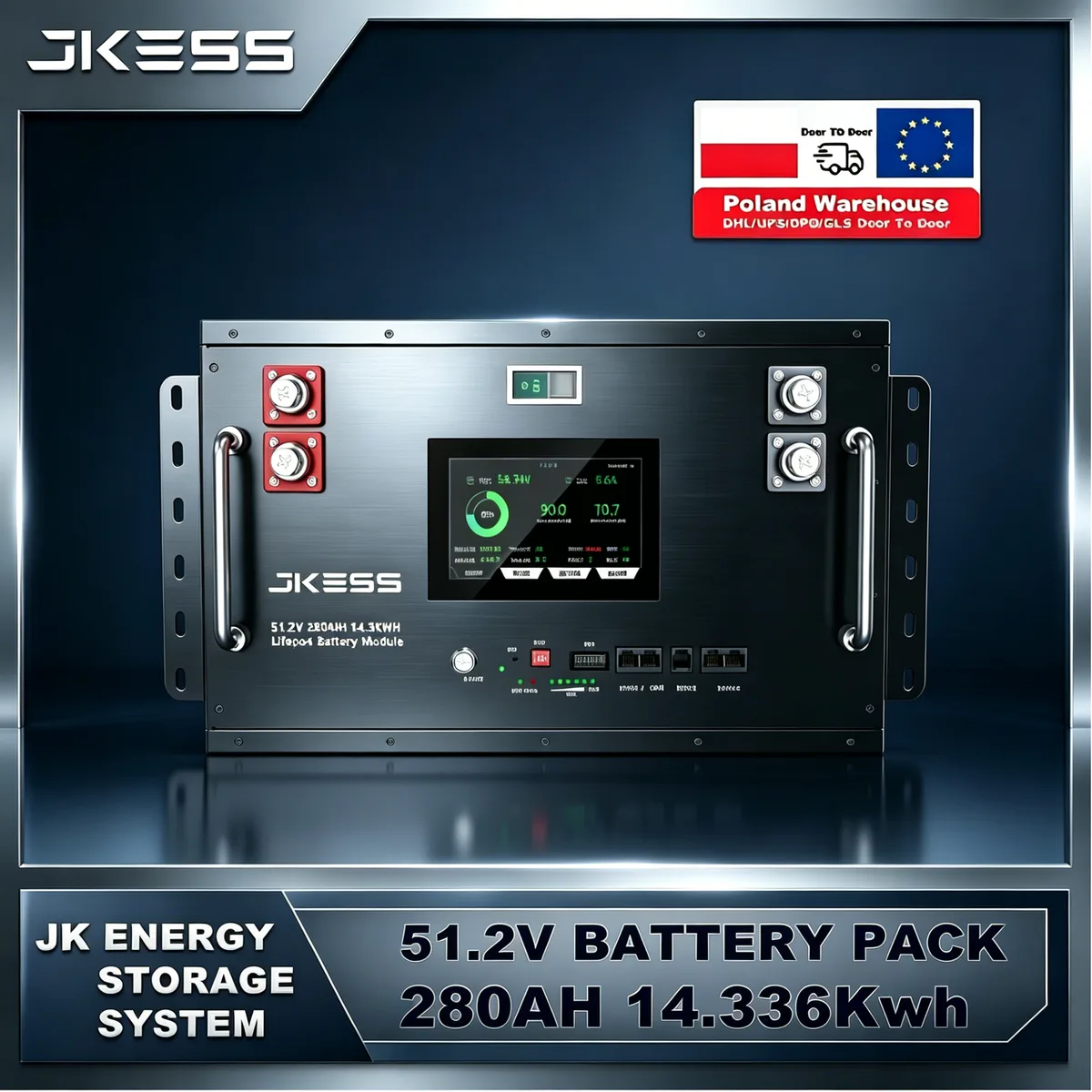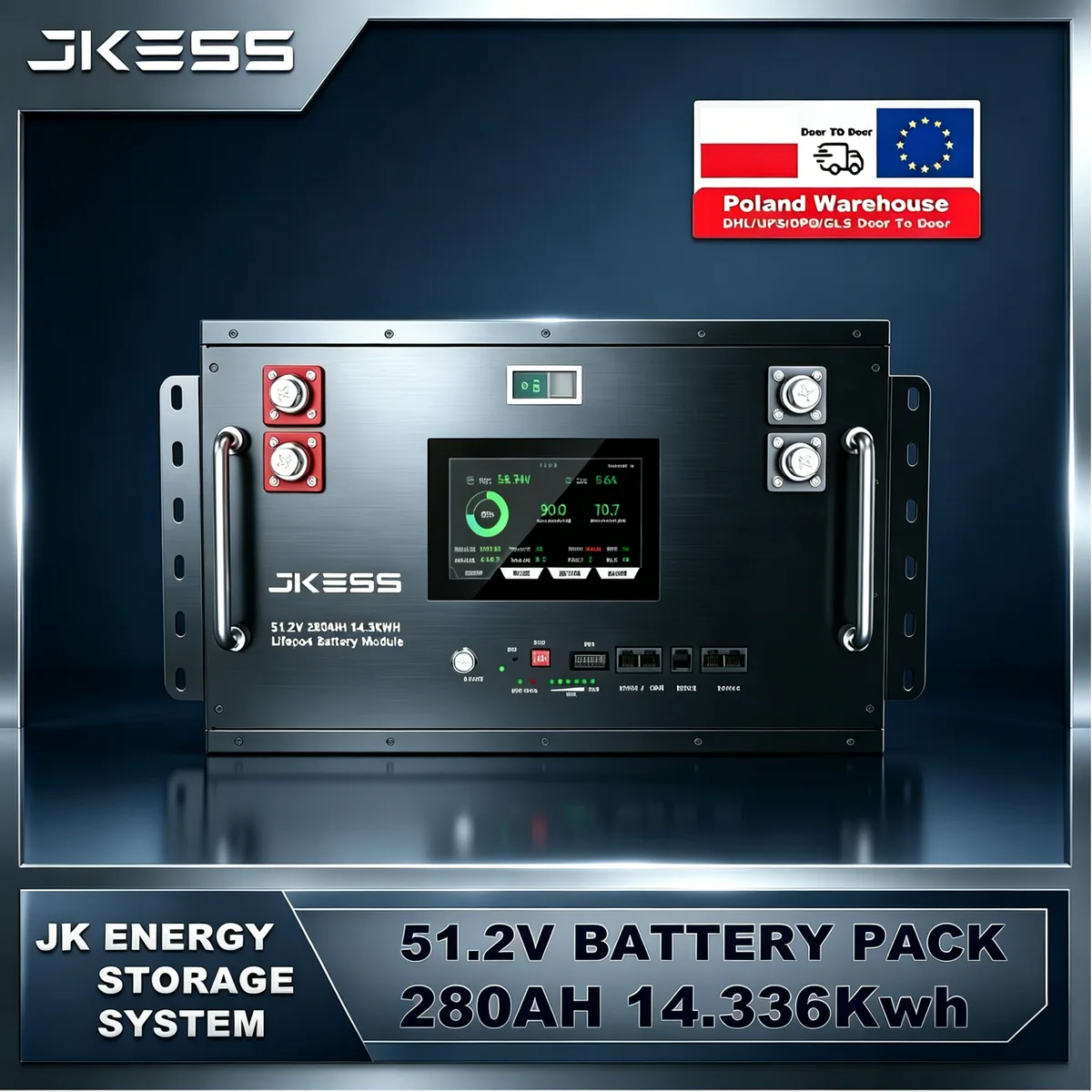
Rack planning requirements
Rack compatibility is more than the nominal 19-inch width. Confirm usable cabinet depth, rail position, front and rear service access, cable routing, module weight, airflow, and the load rating of the rack and floor.
- Measure cabinet depth and reserve clearance for terminals, breakers, and cable bends.
- Check rack rail capacity and total floor loading when several modules are installed.
- Plan module addresses, parallel current, busbars, breakers, and communication before expansion.
- Provide the inverter model and required protocol for communication review.
Where rack battery enclosures are used
Common applications include residential solar backup, telecom rooms, small commercial backup systems, off-grid equipment rooms, and modular battery banks. The final completed battery must be engineered around the actual cells, BMS, inverter, protection equipment, and local installation requirements.
Enclosure-only or integrated electronics?
Select enclosure-only when cells, BMS, display, breakers, and wiring have already been validated as a complete design. Select the enclosure with LCD and BMS option when the project requires the specified JKESS monitoring and protection hardware. In both cases, cells remain excluded.