How air-cooled ESS cabinets work
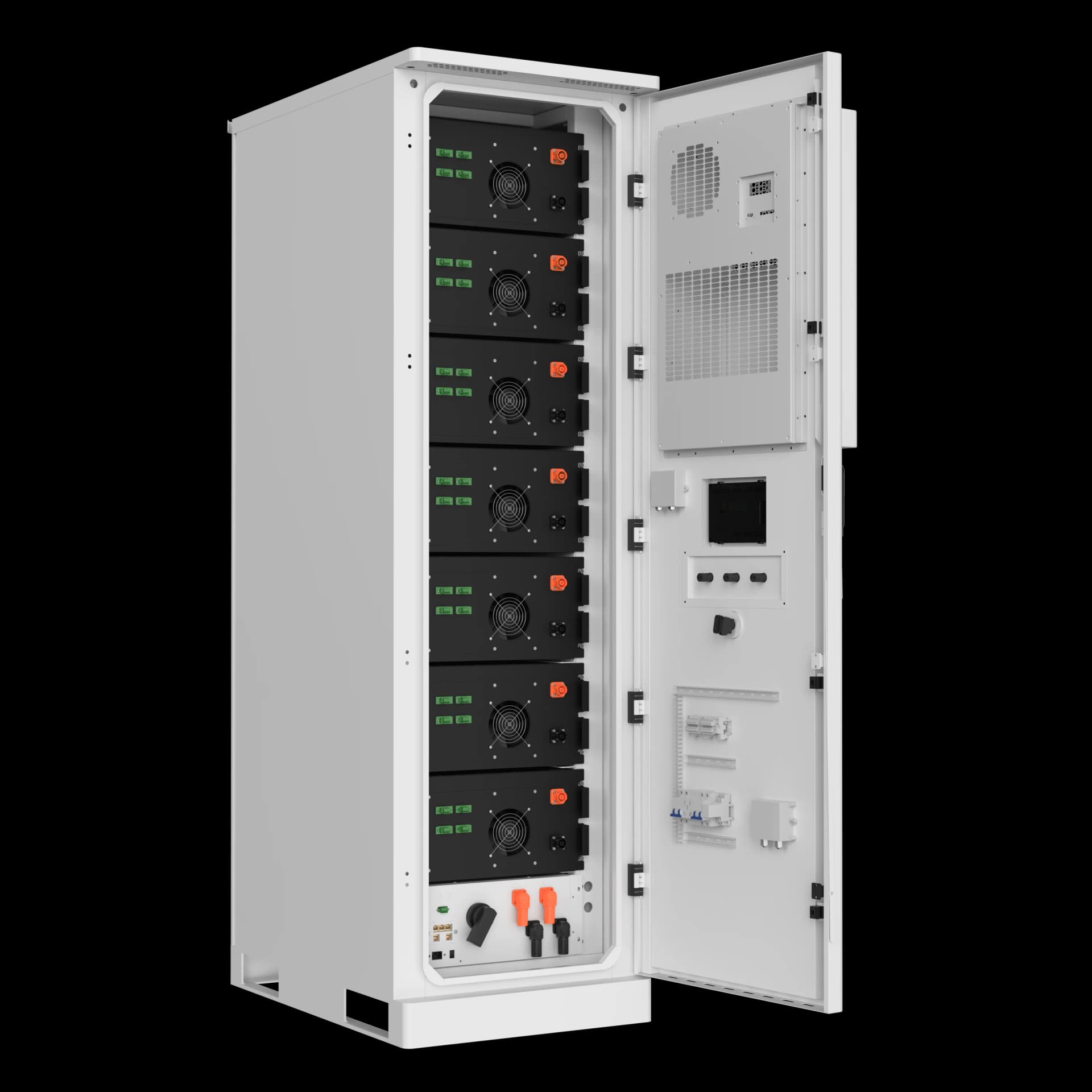
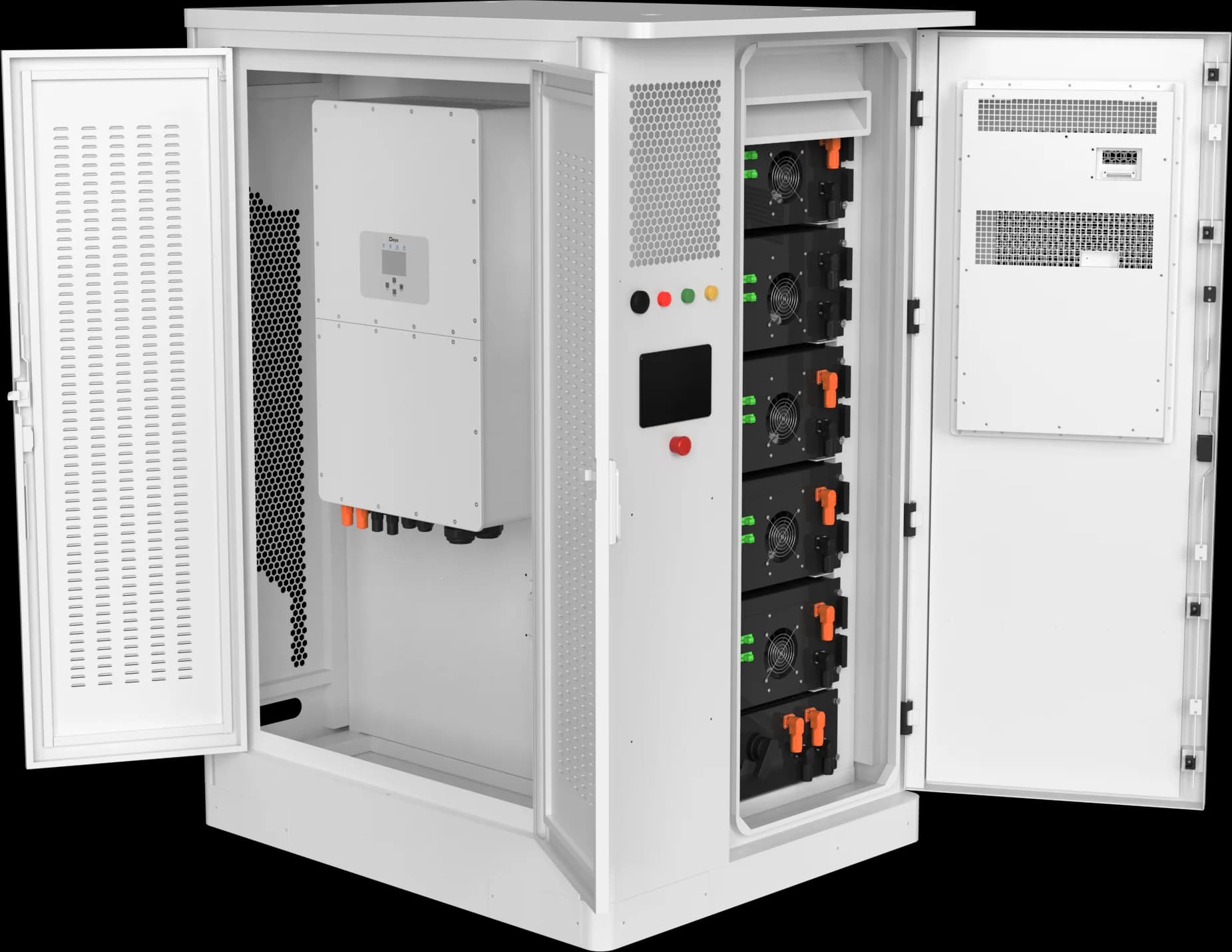
Air-cooled cabinets use fans, ducts, heat exchangers, and control logic to move conditioned air through the cabinet. They can offer a simpler mechanical architecture and familiar service procedures, particularly where cabinet power density and ambient conditions are moderate.
- Check airflow paths, filter maintenance, fan redundancy, dust exposure, and cabinet spacing.
- Evaluate ambient temperature, solar loading, altitude, humidity, corrosion, and acoustic limits.
- Confirm how the control system manages temperature differences across modules.
How liquid-cooled ESS cabinets work
Liquid-cooled cabinets circulate coolant through plates or channels close to battery modules and reject heat through a thermal-management unit. This can support higher cabinet density and tighter temperature control, but introduces pumps, coolant circuits, seals, leak management, and additional service requirements.
- Review coolant specification, pump redundancy, leak detection, pressure monitoring, and service intervals.
- Confirm cold-weather heating strategy and the expected operating temperature range.
- Plan access for thermal-management unit service and replacement components.
Which cooling method should a project choose?
Air cooling may be appropriate where power density, duty cycle, climate, footprint, and temperature-uniformity requirements allow a simpler architecture. Liquid cooling is often evaluated where cabinet density, sustained power, high ambient temperature, or tighter module temperature control makes direct thermal management valuable.
Cooling should not be selected from capacity alone. Two cabinets with the same energy rating may have different PCS power, cell type, module layout, operating schedule, climate, enclosure design, noise limits, service environment, and lifecycle objective.
Questions to include in a quotation request
Provide the project duty cycle and site conditions so the cabinet supplier can evaluate the appropriate thermal-management configuration.
- Required capacity, PCS power, charge and discharge duration, cycles per day, and expected C-rate.
- Minimum and maximum ambient temperature, humidity, altitude, solar exposure, dust, salt mist, and corrosion environment.
- Available footprint, cabinet spacing, acoustic restrictions, maintenance access, and local service capability.
- Fire-protection, monitoring, redundancy, warranty, certification, and lifecycle requirements.