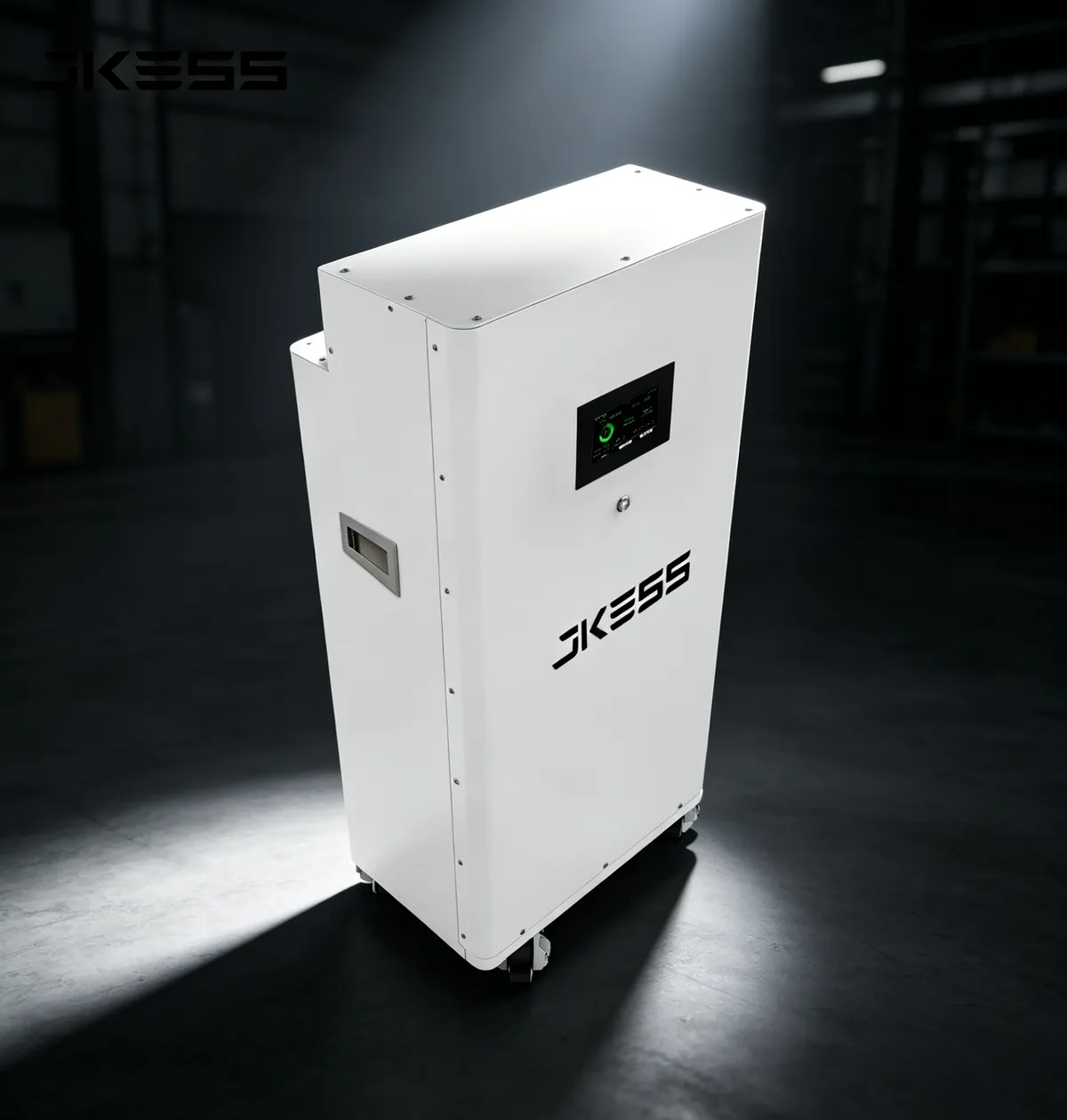
Communication compatibility

CAN and RS485 BMS Inverter Compatibility Checklist

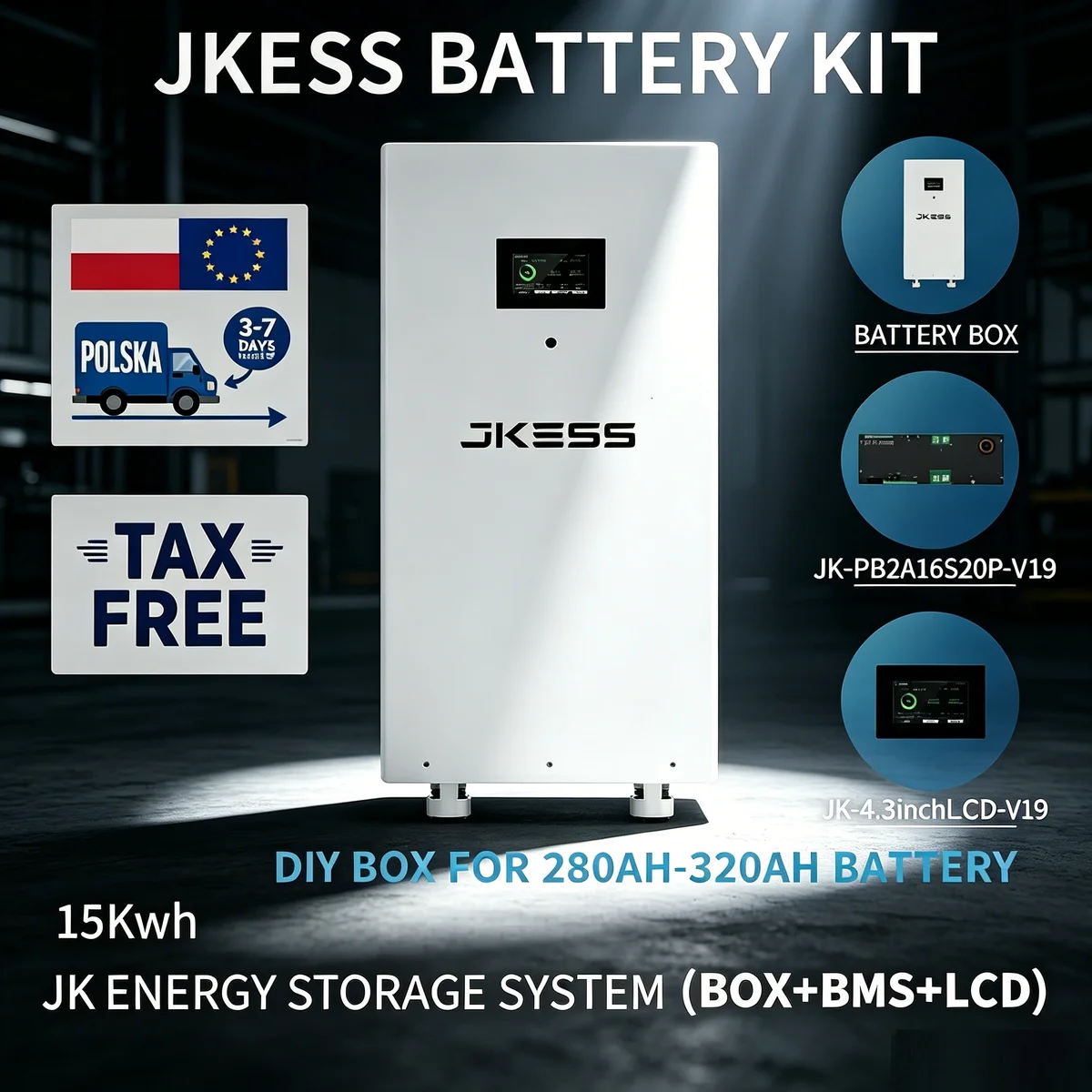
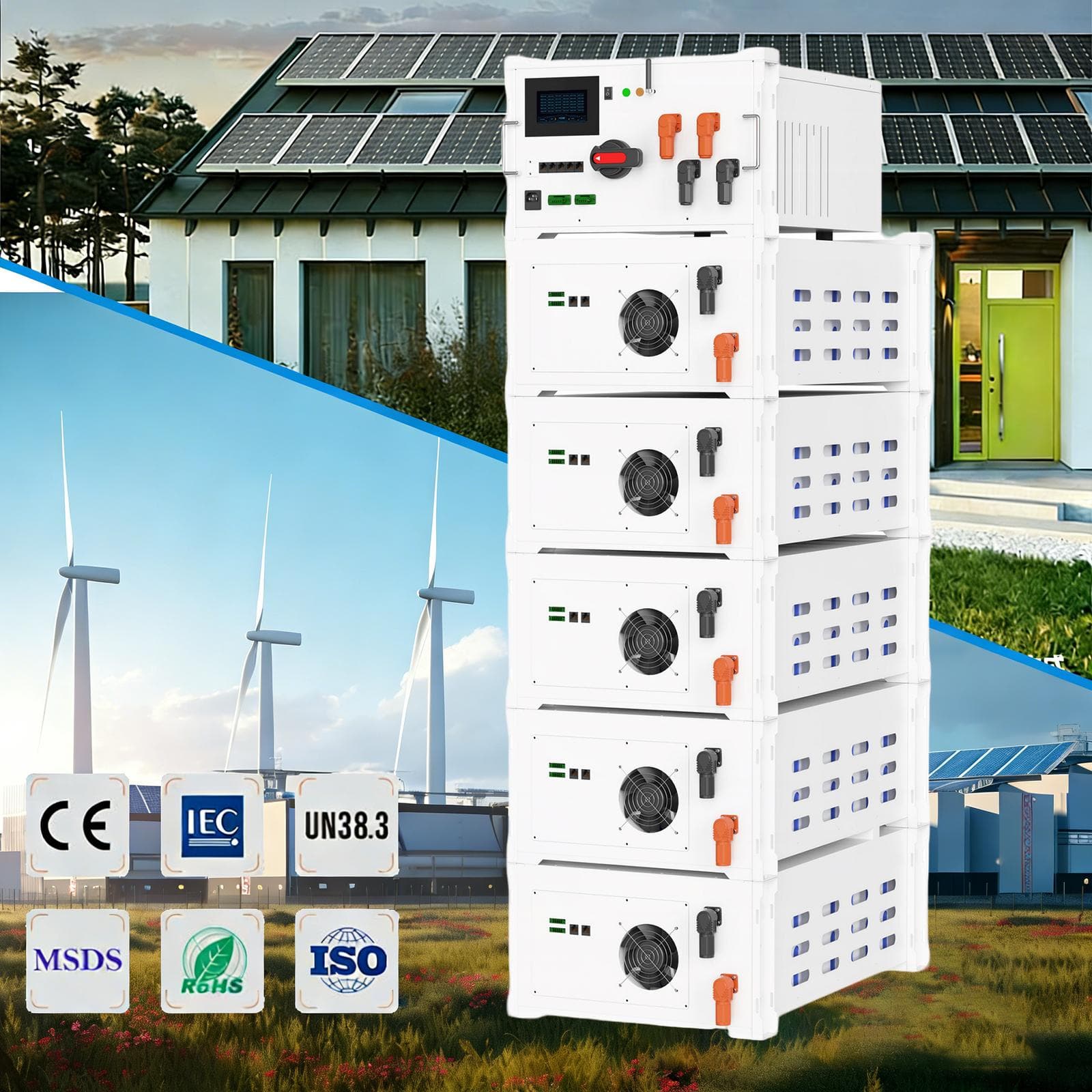
CAN or RS485 on a product label does not guarantee that a battery, BMS, inverter, PCS, or EMS will work together. Compatibility depends on the exact protocol, firmware, wiring, message format, state logic, and protection limits used by the completed system.

Interfaces

CAN, RS485, Modbus, proprietary maps

Main risk

Same port, different protocol

Required proof

Protocol files and commissioning test

Best use

Battery-to-inverter matching review

Check protocol before connector shape

Two devices can both include CAN or RS485 ports and still be incompatible. Confirm the application protocol, message identifiers or register map, byte order, scaling, update interval, alarm definitions, and master-slave relationship.

Check wiring and physical layer details

Incorrect pinout, missing termination, swapped differential wires, duplicated addresses, wrong baud rate, or unsupported firmware can prevent communication even when the equipment is otherwise suitable.

  • Confirm CAN-H/CAN-L or RS485-A/RS485-B pinout from both device manuals.
  • Confirm baud rate, parity, stop bits, termination, shielding, grounding, and maximum cable length.
  • Record firmware versions and supported protocol profiles before commissioning.

Commission operating limits, not only data display

A system may show voltage and state-of-charge but still fail under real operation if charge enable, discharge enable, current limit, contactor status, alarm handling, or fault recovery logic does not match.
Frequently asked questions

Selection questions

Does CAN support mean my inverter will work with the BMS?

No. CAN is an interface, not a complete compatibility statement. Message format, firmware, state logic, and settings must match.

Is RS485 always Modbus?

No. RS485 is a physical communication layer. It can carry Modbus RTU or a manufacturer-specific protocol.

What should I send for a compatibility review?

Send the inverter or PCS model, BMS model, protocol document, wiring pinout, firmware versions, target voltage, current, and battery configuration.