Start from the load and tariff data
A cabinet should not be selected from kWh alone. Peak shaving, backup, solar self-consumption, and demand management each require different power, capacity, discharge duration, and control strategy.
Where possible, provide measured interval load data, peak demand charges, electricity tariff periods, backup loads, available transformer capacity, and the target financial objective.
Define cabinet configuration and site constraints
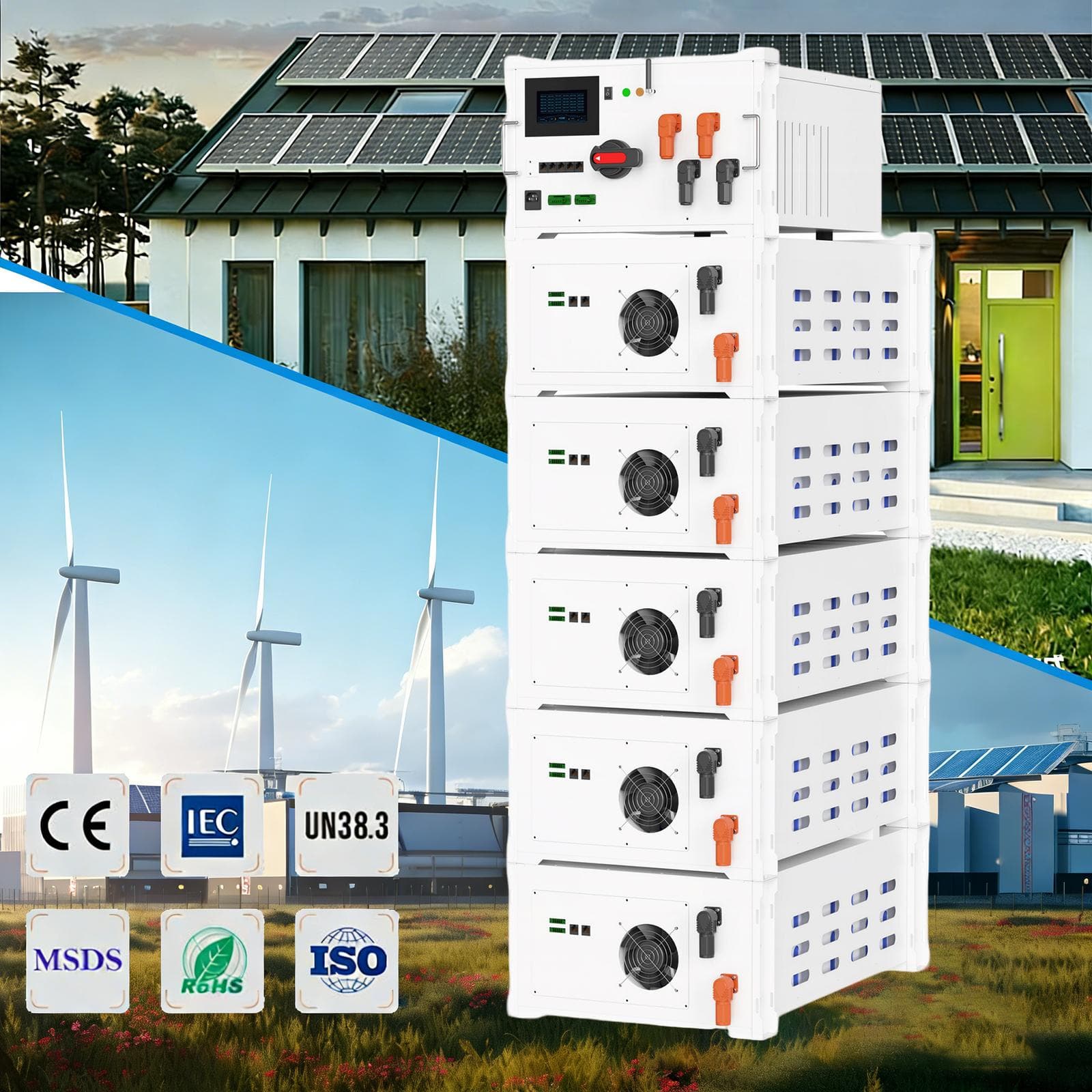
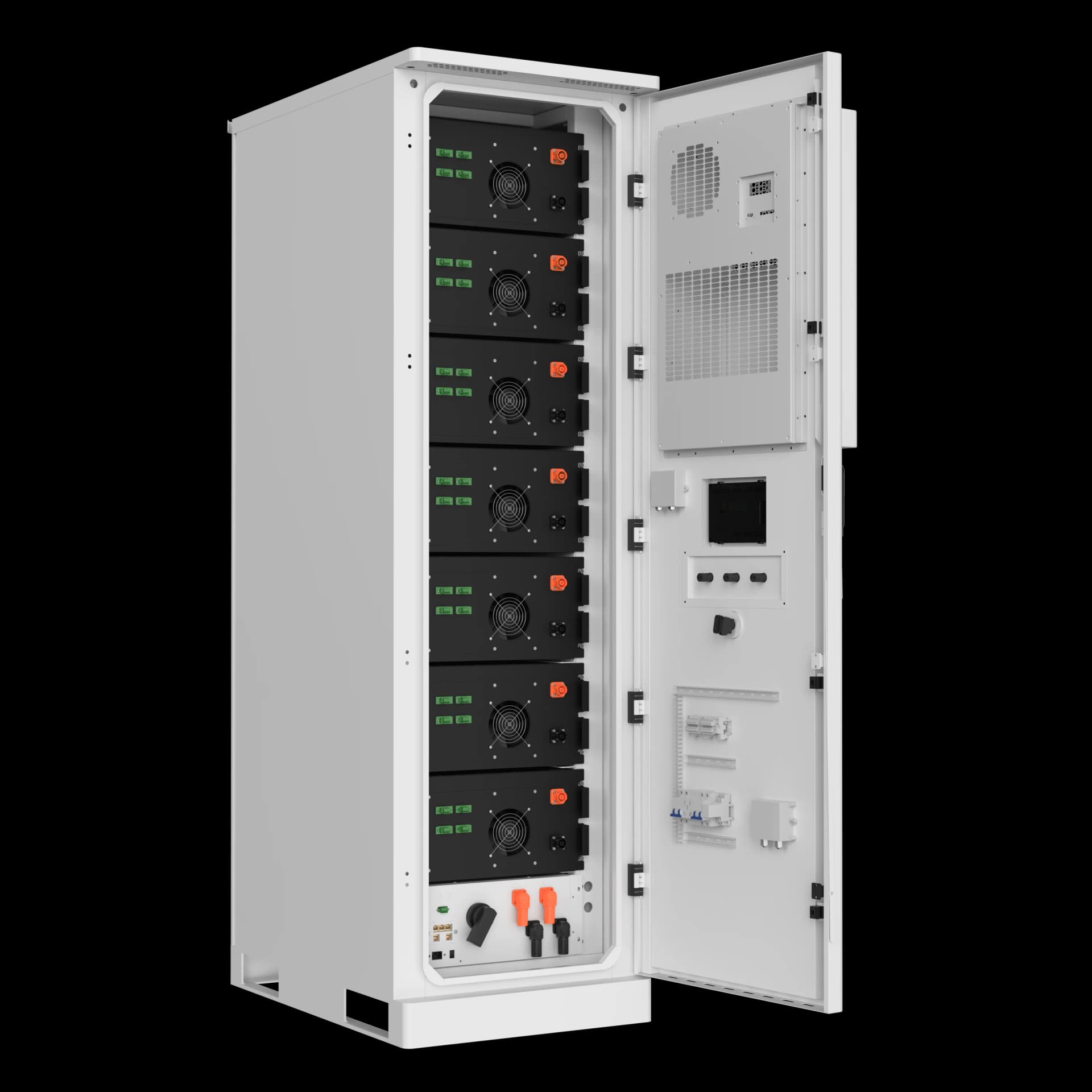
The quotation should define capacity, PCS power, cooling method, IP rating, communication, fire and safety documentation, installation boundary, freight route, and any customer-side civil or electrical work.
- Ambient temperature, altitude, humidity, dust, solar exposure, and corrosion environment.
- Available footprint, cabinet spacing, access for service, crane route, and unloading condition.
- Grid connection point, AC voltage, transformer capacity, EMS or monitoring requirements.
- Documentation, warranty, commissioning, and training scope required by the buyer.
When a quoted cabinet is better than buying parts
A quoted cabinet can be more appropriate when the project needs coordinated battery modules, BMS, PCS, thermal management, enclosure design, monitoring, and documentation. Component-only purchasing may suit experienced integrators who already own the system engineering responsibility.