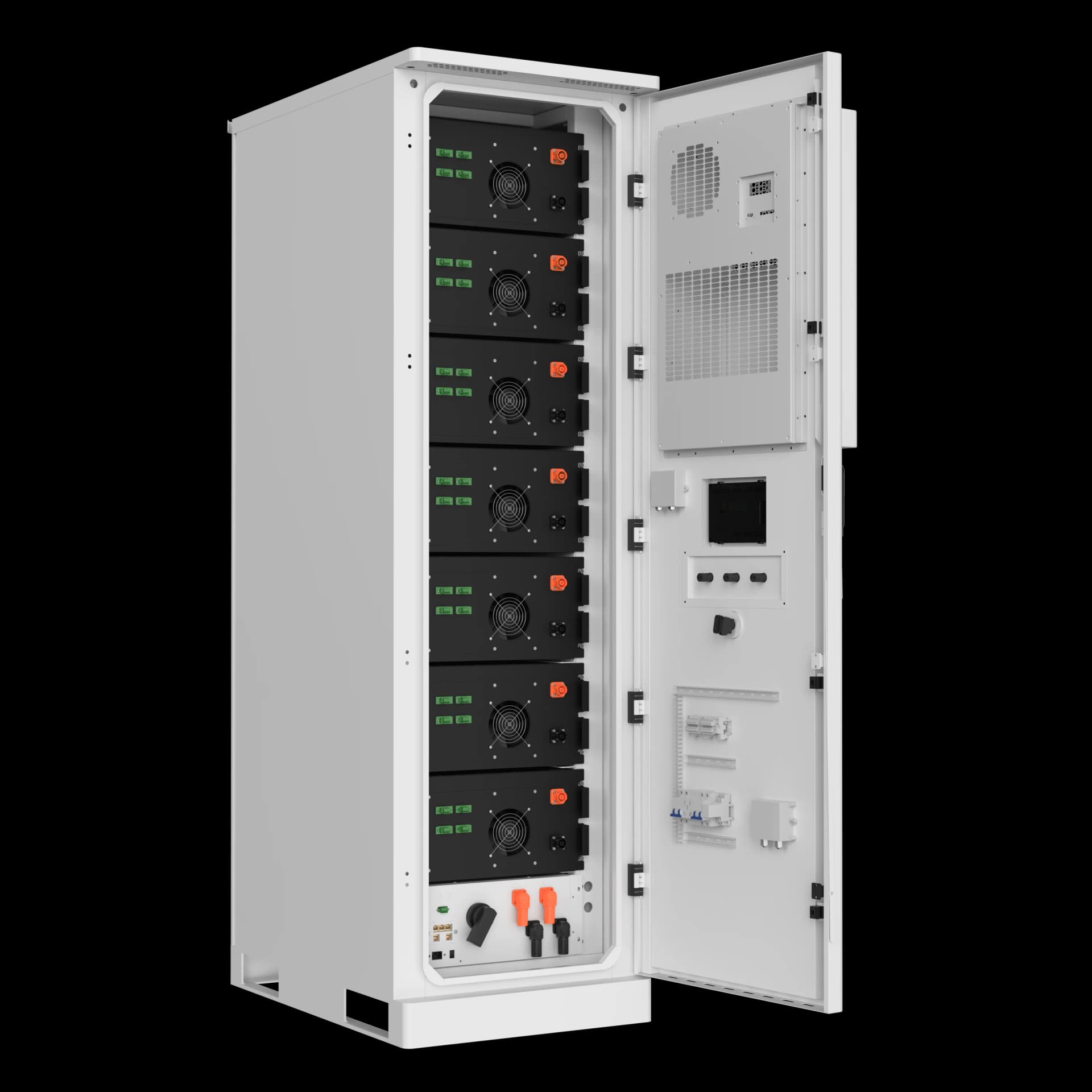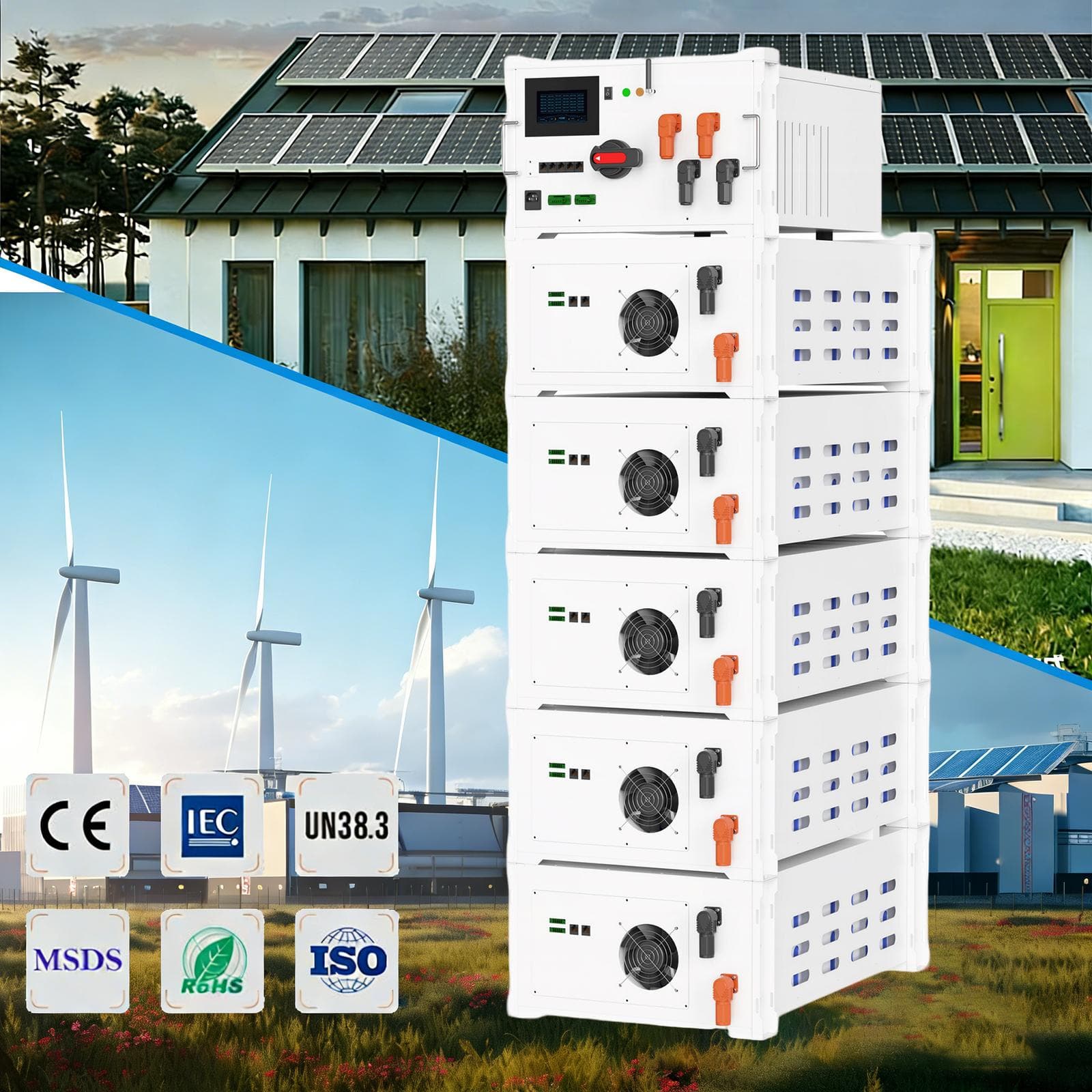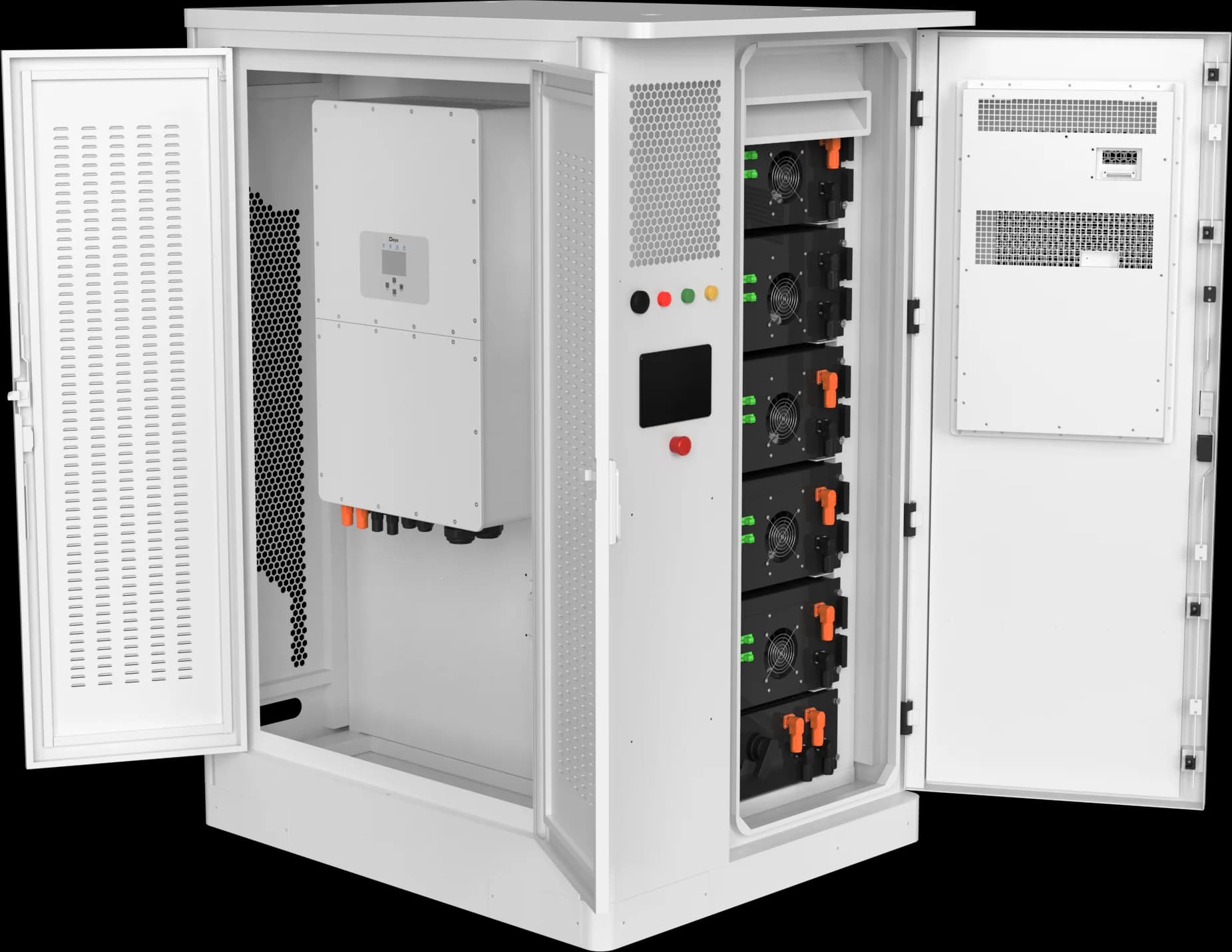
Applications for the larger cabinet energy class
A 261kWh-class cabinet can be evaluated for longer commercial load peaks, larger solar-energy shifts, industrial facilities, hotels, commercial centres, hospitals, campuses, and other projects that require substantial energy within one configured cabinet platform.
A larger nominal capacity is not automatically the most economical choice. The design should compare event duration, PCS power, daily cycling, tariff value, backup reserve, installation cost, transport, floor space, maintenance access, and future expansion.
Site and logistics planning
The C&I product family includes large outdoor cabinets whose dimensions and weight vary by configuration. Confirm foundation design, floor loading, lifting points, crane or forklift access, transport route, door and gate clearances, cabinet spacing, cable trenches, ventilation clearances, fire separation, drainage, and service access before finalizing the order.
Civil works, foundations, crane work, transformers, switchgear, site cabling, installation, commissioning, freight, duty, and tax are excluded unless specifically listed in the quotation.
Thermal management and duty cycle
The platform offers air-cooled and liquid-cooled configurations. Selection depends on power density, operating schedule, ambient temperature, solar exposure, altitude, footprint, acoustic requirements, maintenance capability, and target temperature uniformity.
A high-energy cabinet with sustained high power or frequent cycles may have different thermal requirements from a cabinet used mainly for occasional backup. Provide the expected charge and discharge profile rather than only the nominal capacity.
Information required for configuration
A complete request should define the technical objective and commercial supply boundary.
- Target usable energy, AC power, backup duration, peak-shaving target, cycles per day, and reserve state of charge.
- Grid and transformer details, PV input, PCS requirements, EMS functions, export limits, and monitoring interfaces.
- Ambient conditions, altitude, corrosion environment, outdoor location, footprint, access, foundation, and fire requirements.
- Destination, certification, warranty, shipping, installation, commissioning, training, spare parts, and documentation requirements.