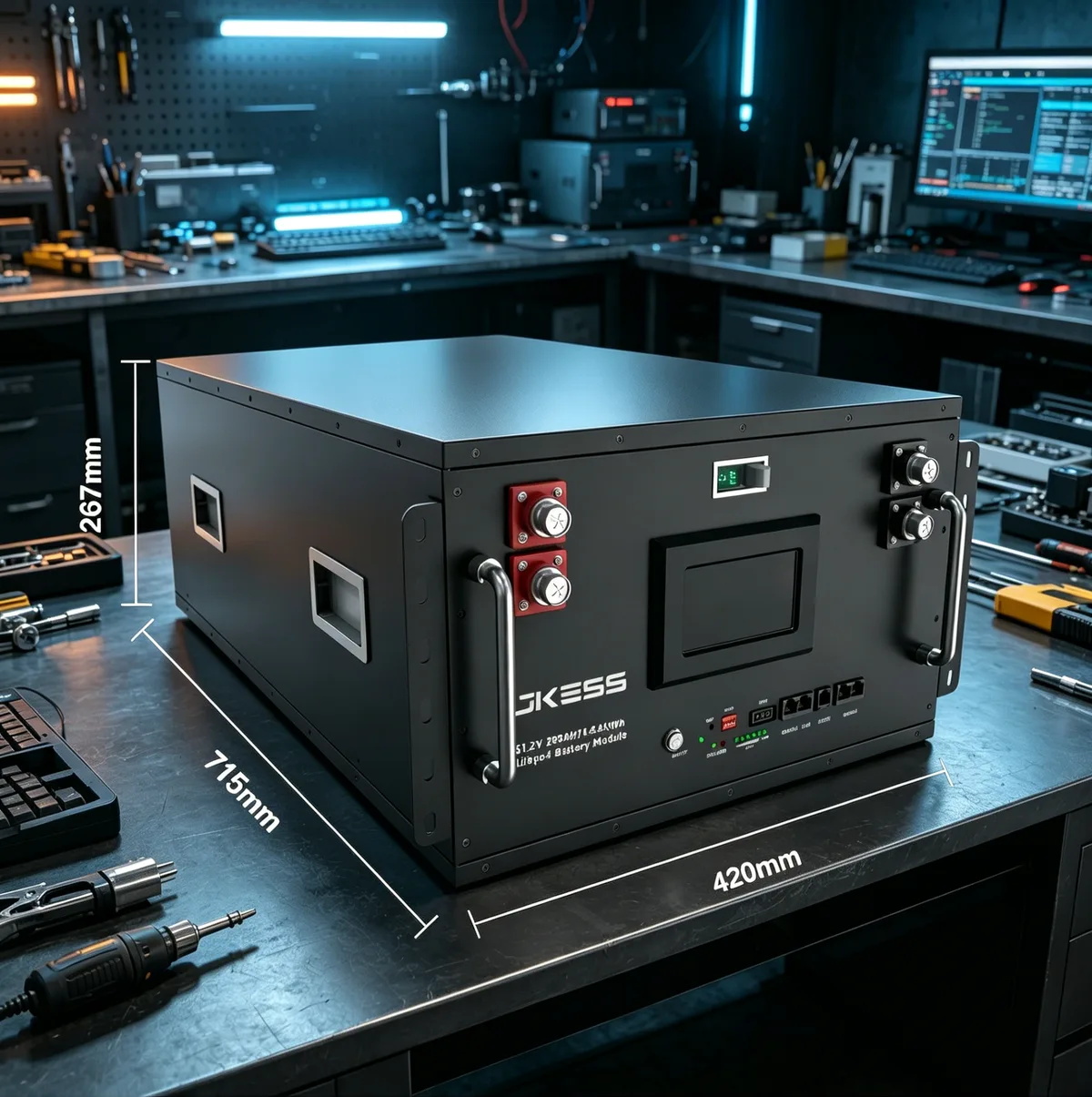
Battery enclosure format comparison

Rack Battery Kit vs Floor-Standing Battery Kit

A rack battery kit and a floor-standing battery kit can both support 51.2V LiFePO4 assembly projects, but they solve different installation problems. The best choice depends on cabinet availability, floor space, service access, airflow, cable route, quantity, and how the completed battery will be maintained.

Rack format

6U, 19-inch cabinet installation

Floor format

Caster enclosure for movable placement

Main decision

Room layout and service strategy

Shared check

Cells, BMS, inverter, delivery scope

When a rack kit can be the better route

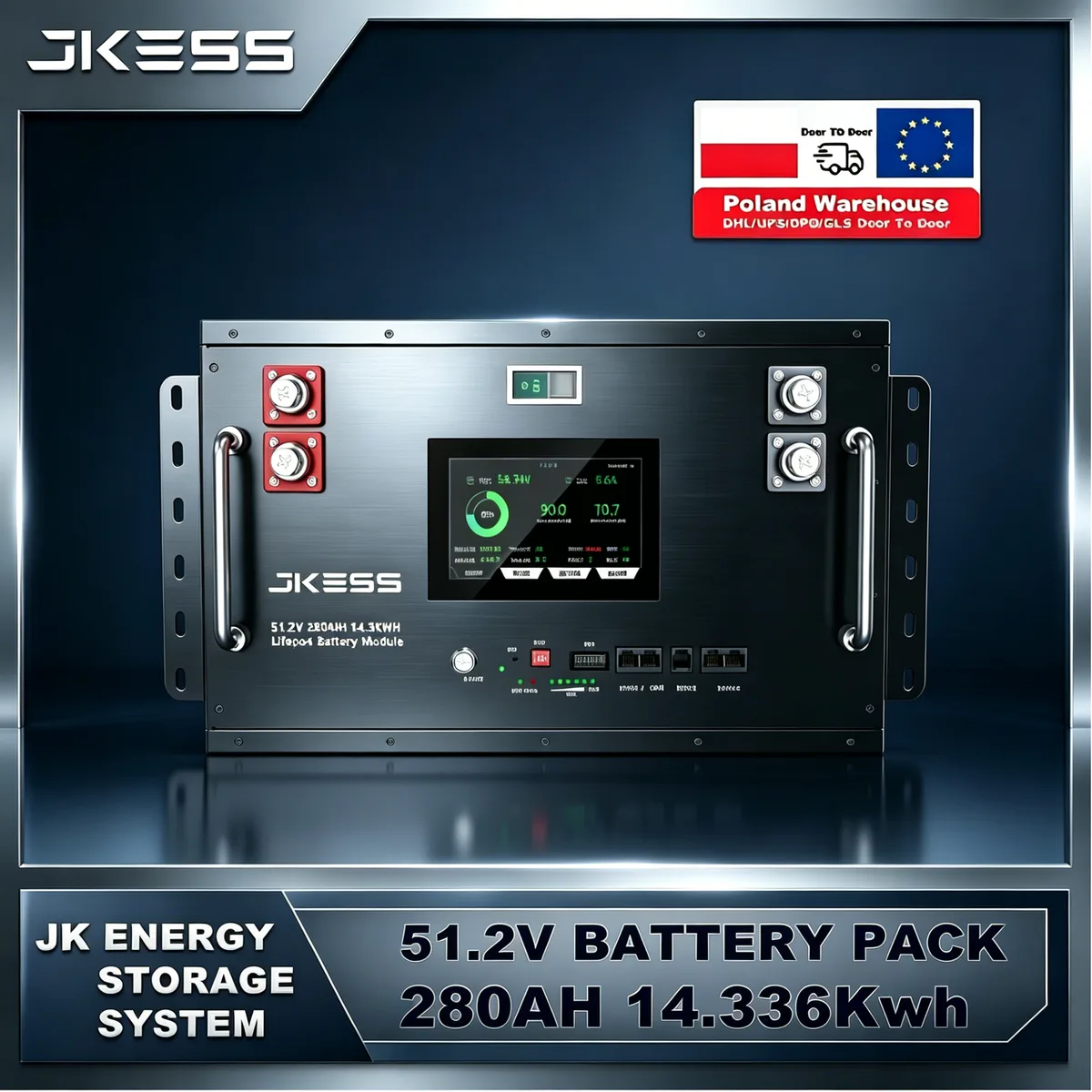
A 6U rack kit can fit projects where the site already has a suitable 19-inch cabinet, controlled airflow, front service access, and a plan for multiple modular battery units.

Rack width alone is not enough. Cabinet depth, rail position, load rating, cable bend radius, breaker location, and service clearance must all be confirmed.

When a floor-standing caster kit can be better

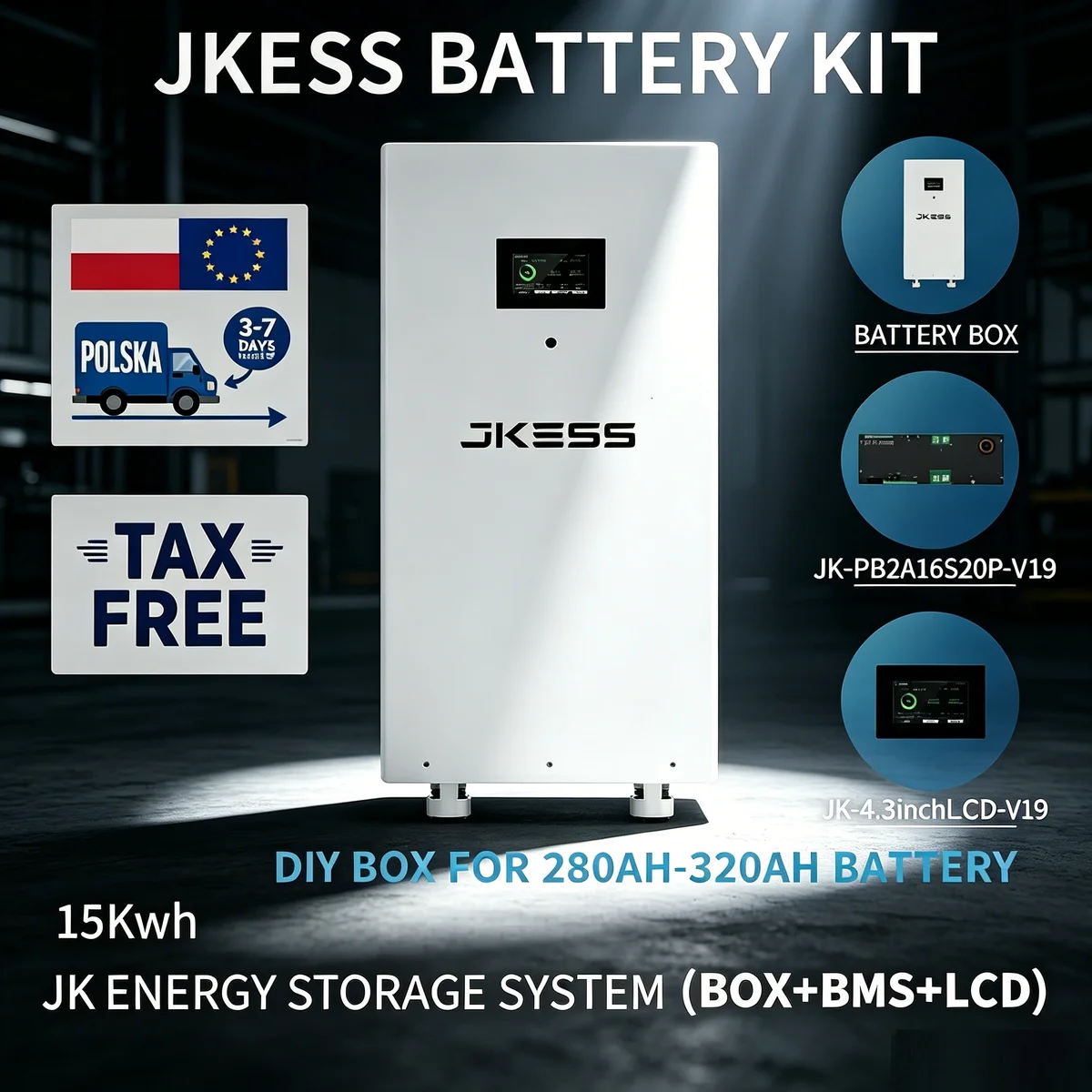
A floor-standing caster enclosure can suit rooms where movement, direct floor access, and simple positioning are more important than rack modularity. It can also reduce the need for a separate rack cabinet in some small projects.

  • Use rack format when cabinet infrastructure, module stacking, and front service are already planned.
  • Use floor-standing format when movement, floor placement, and direct access are more practical.
  • Check total assembled weight, floor loading, cable route, and ventilation in both cases.
  • Confirm cells, BMS, LCD, inverter protocol, and included hardware before purchase.

Shipping and quotation differences

Rack kits and floor-standing kits may have different packaging, handling, and quantity considerations. For EU delivery, provide product option, quantity, delivery postal code, address type, and unloading constraints before payment.
Frequently asked questions

Selection questions

Is a rack battery kit always easier to expand?

Not always. Rack systems can support modular planning, but expansion still depends on BMS addressing, inverter limits, breaker sizing, cabling, current sharing, and rack capacity.

Does a floor-standing kit require less engineering?

No. It may simplify placement, but the completed battery still needs correct cell fit, BMS settings, protection, wiring, inverter communication, and commissioning.

Which format is better for EU delivery?

That depends on quantity, packaging, destination, unloading conditions, and delivery address type. Use the quote form for bulk or project shipments.