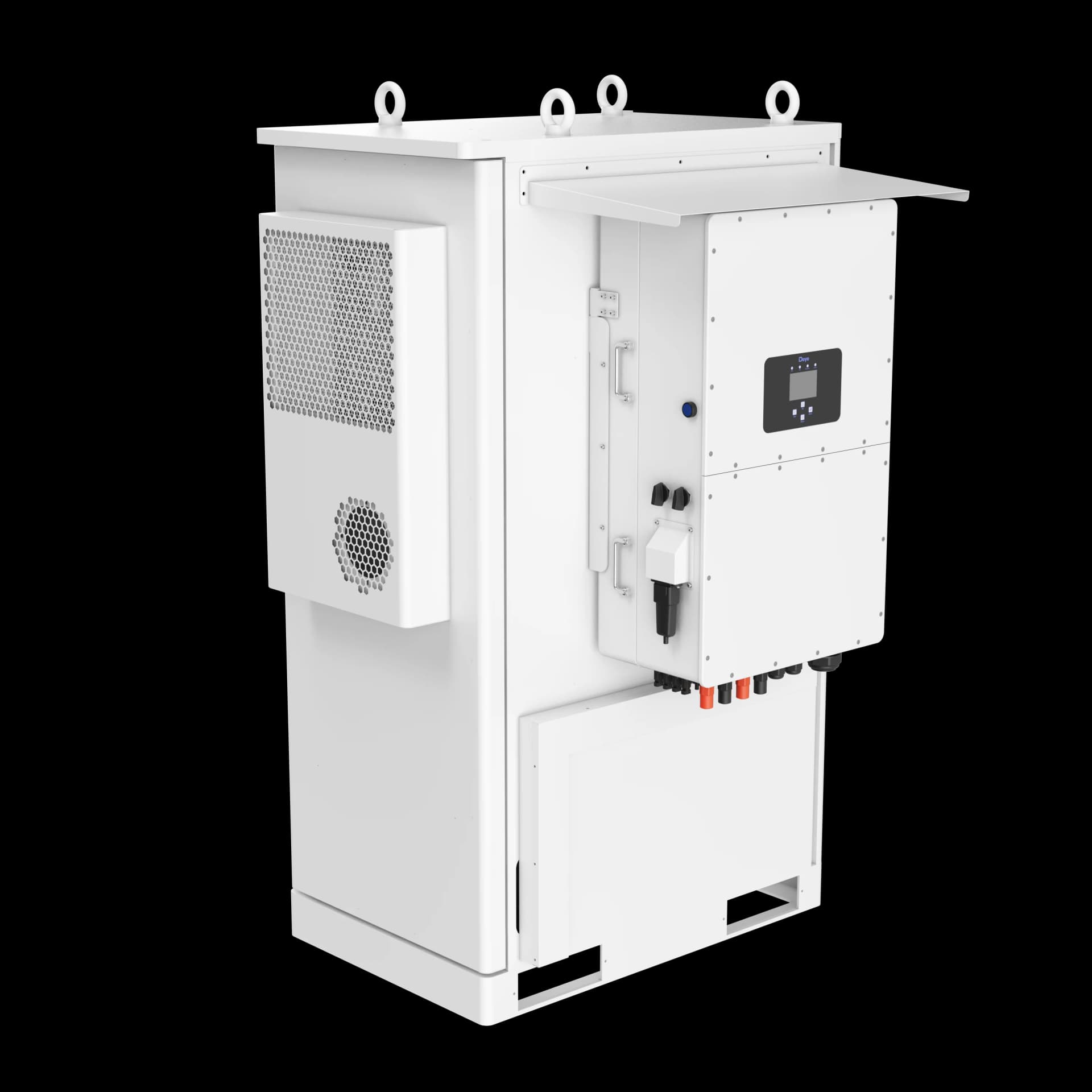
EV charging site storage

Battery Storage for EV Charging Stations

EV charging sites can create sharp demand peaks that exceed transformer capacity or increase demand charges. Battery storage can buffer charger load, support solar charging, and reduce grid peaks when the PCS, EMS, and charger control strategy are designed together.

Application

EV charging station battery storage

Main issue

Grid capacity and demand peaks

Sizing input

Charger power, sessions, daily energy

Product route

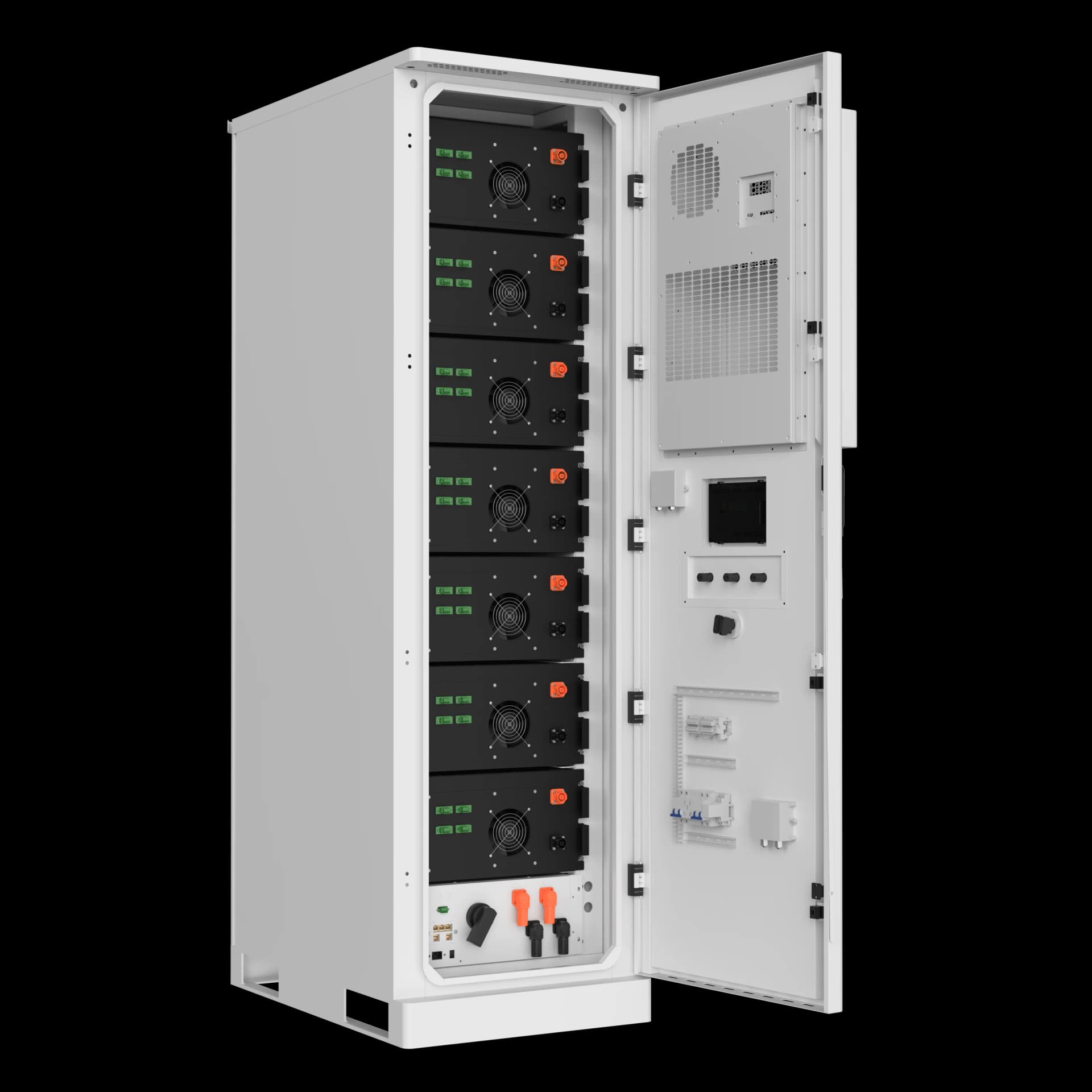
C&I ESS cabinet quotation

Review charger power and grid limits

A battery can help when the charging site has limited grid capacity, expensive peak demand, or variable solar generation. The system must be reviewed against charger count, charger rating, session timing, transformer capacity, grid contract, and expected utilization.

  • Number of AC or DC chargers and maximum simultaneous power.
  • Expected daily charging sessions, average energy per session, and peak arrival periods.
  • Grid capacity, transformer rating, demand charges, export limits, and PV generation if present.

EMS coordination is essential

The EMS should decide when to charge from grid or PV, when to discharge into charging peaks, and how much reserve to keep for site backup or grid constraints. Communication with chargers, meters, PCS, and BMS should be confirmed before quotation.
Frequently asked questions

Selection questions

Can battery storage reduce EV charging demand peaks?

Yes, if the PCS power, usable kWh, EMS logic, and grid metering are designed around charger demand and utilization.

What data is needed for an EV charging ESS quote?

Send charger quantity, charger power, utilization estimate, grid capacity, tariff rules, PV information, site country, and installation space.

Can the cabinet support fast chargers directly?

The final electrical architecture depends on charger type, PCS design, AC or DC coupling, protection, metering, and local interconnection rules.