What data is needed before sizing
The most useful starting point is measured 15-minute or finer interval load data. This shows how high the peaks are, how long they last, how often they repeat, and whether the battery has time to recharge between events.
- Demand charge rules, contracted capacity, tariff periods, and export restrictions.
- Target kW reduction, required backup reserve, and allowable state-of-charge window.
- Existing solar generation, generators, EV charging, large motors, or variable production loads.
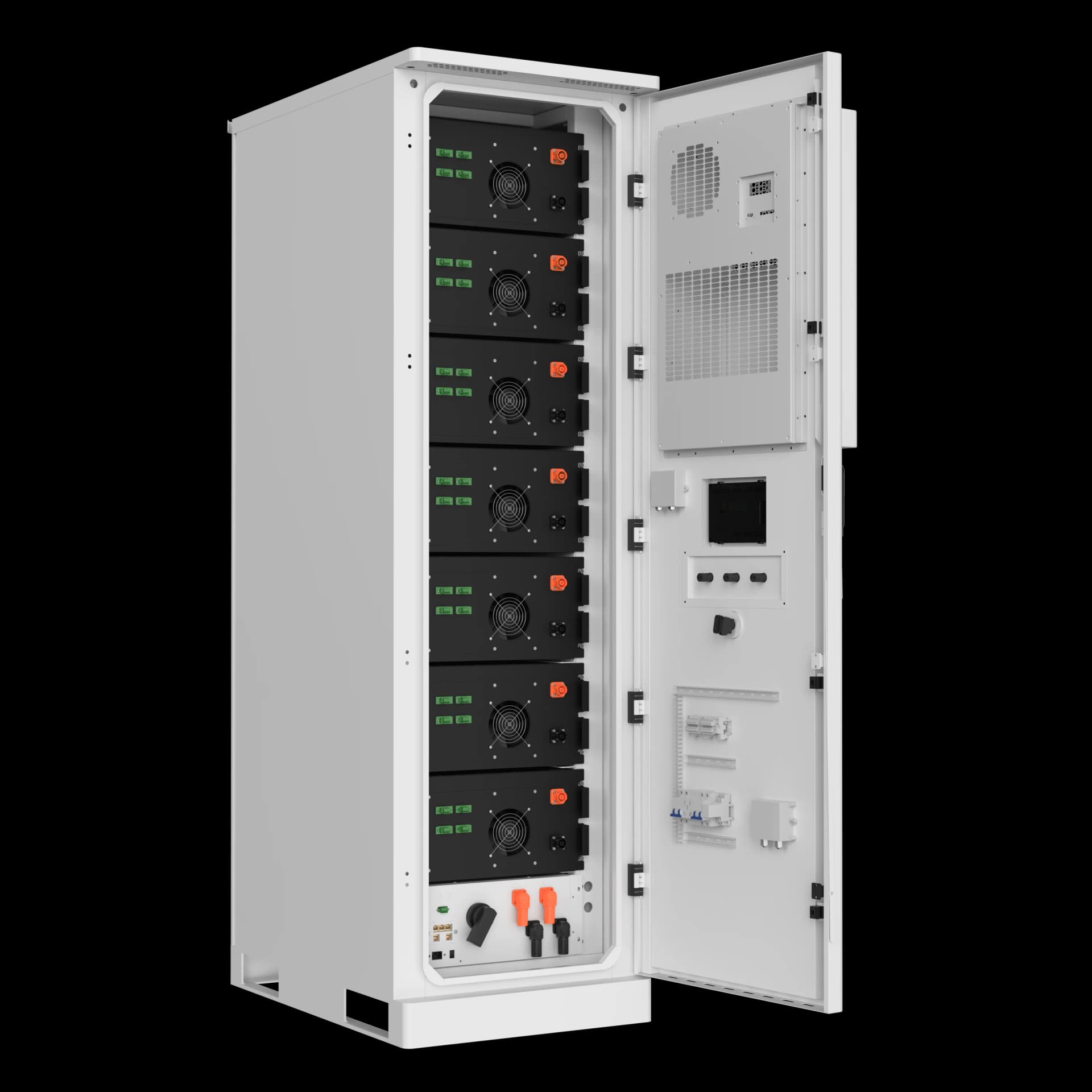
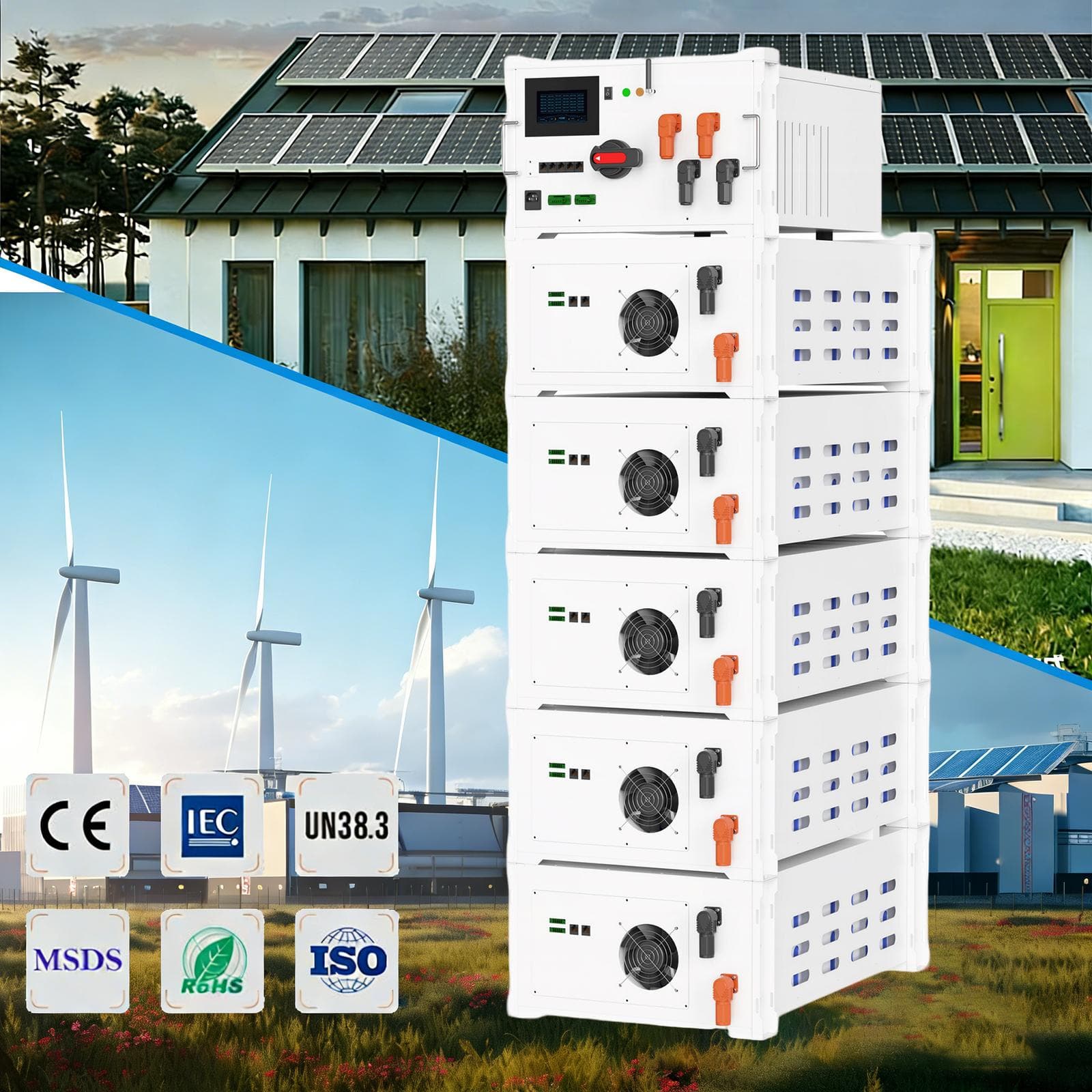
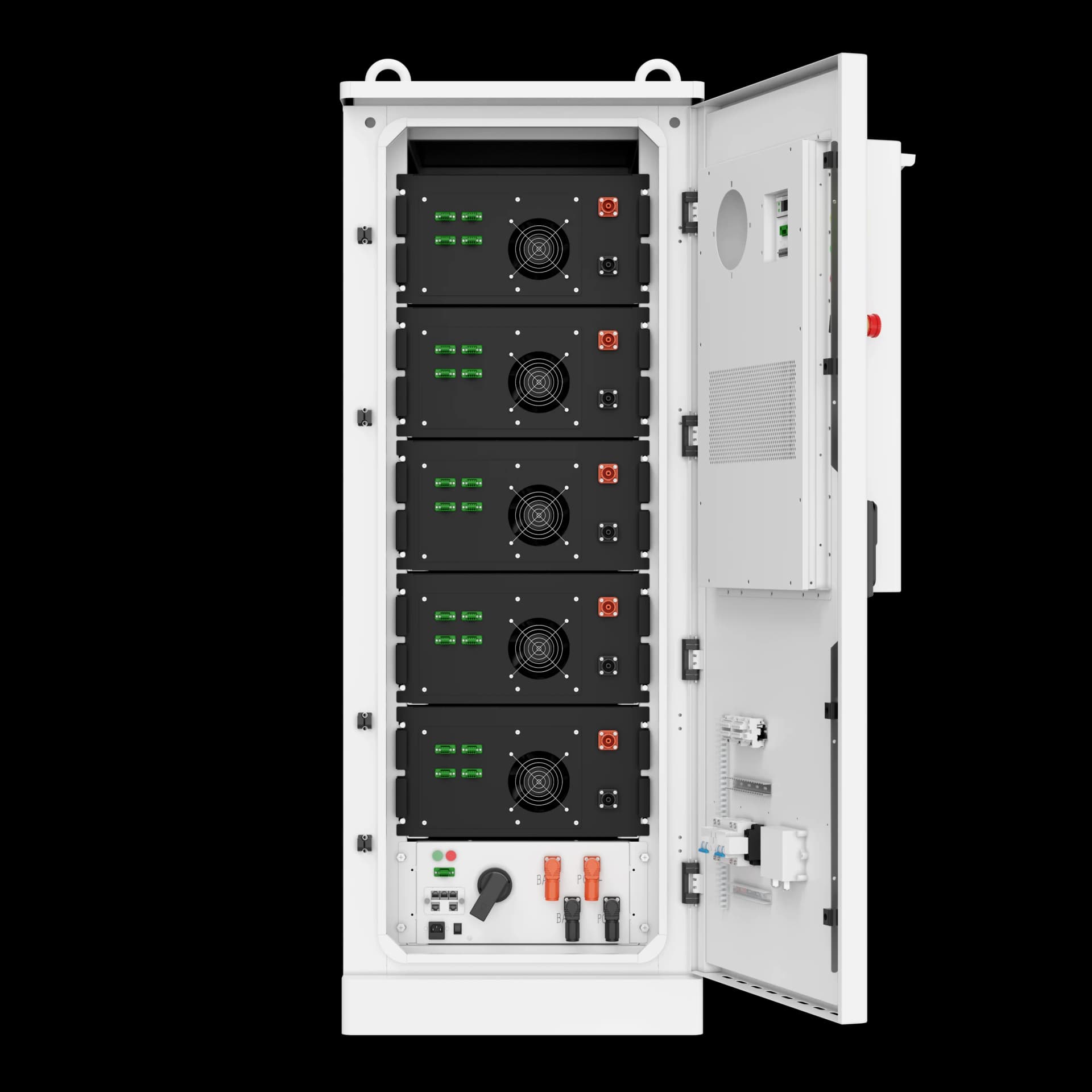
Battery containers and cabinets for peak shaving
Some buyers search for peak shaving battery containers, while others need compact commercial ESS cabinets. The right enclosure format depends on required capacity, PCS power, installation space, outdoor rating, fire protection, grid connection, and service access.
EMS logic matters
A peak-shaving EMS must decide when to discharge, how much reserve to keep, when to recharge, and how to avoid creating a second peak later in the billing period. Communication with meters, PCS, BMS, and site monitoring should be confirmed before quotation.