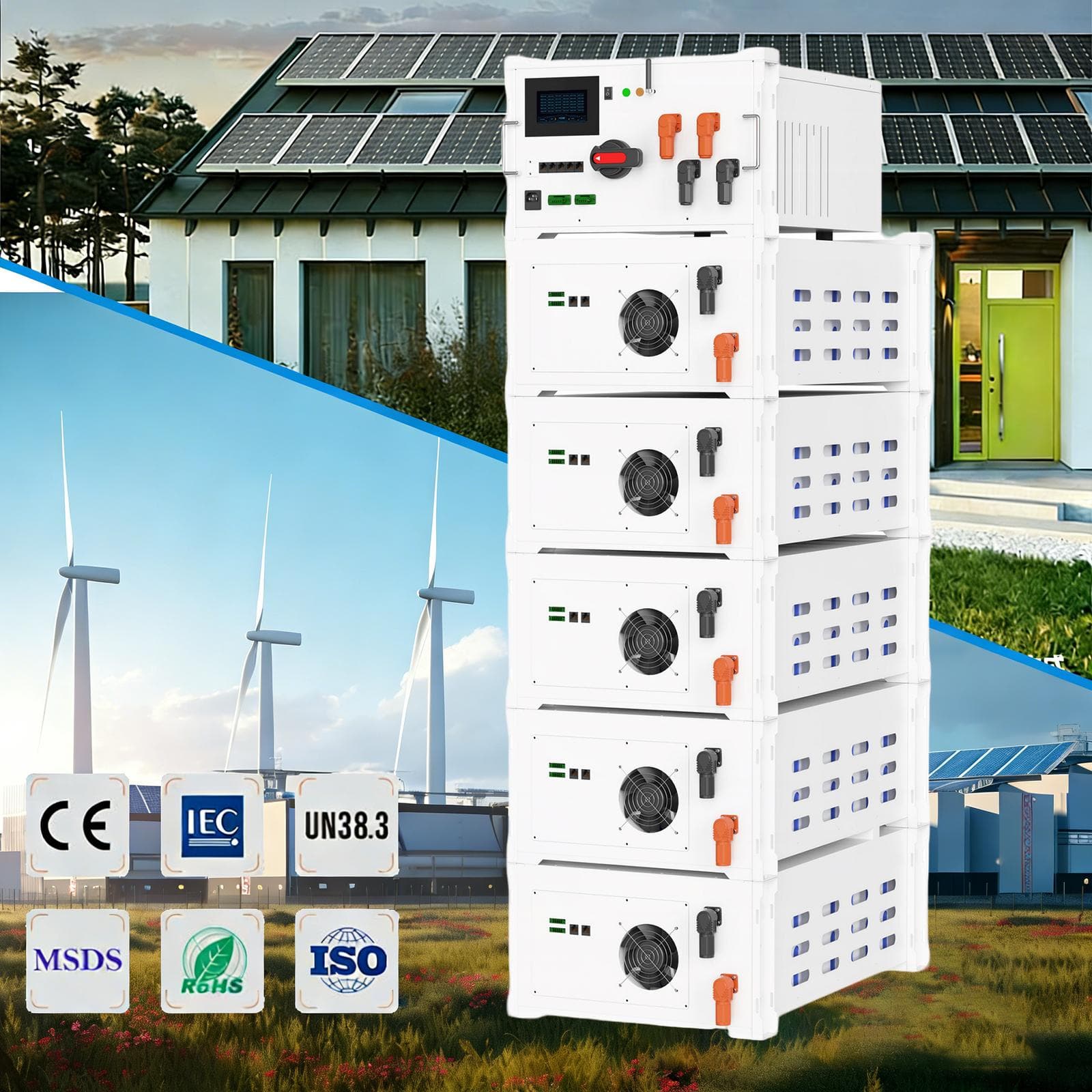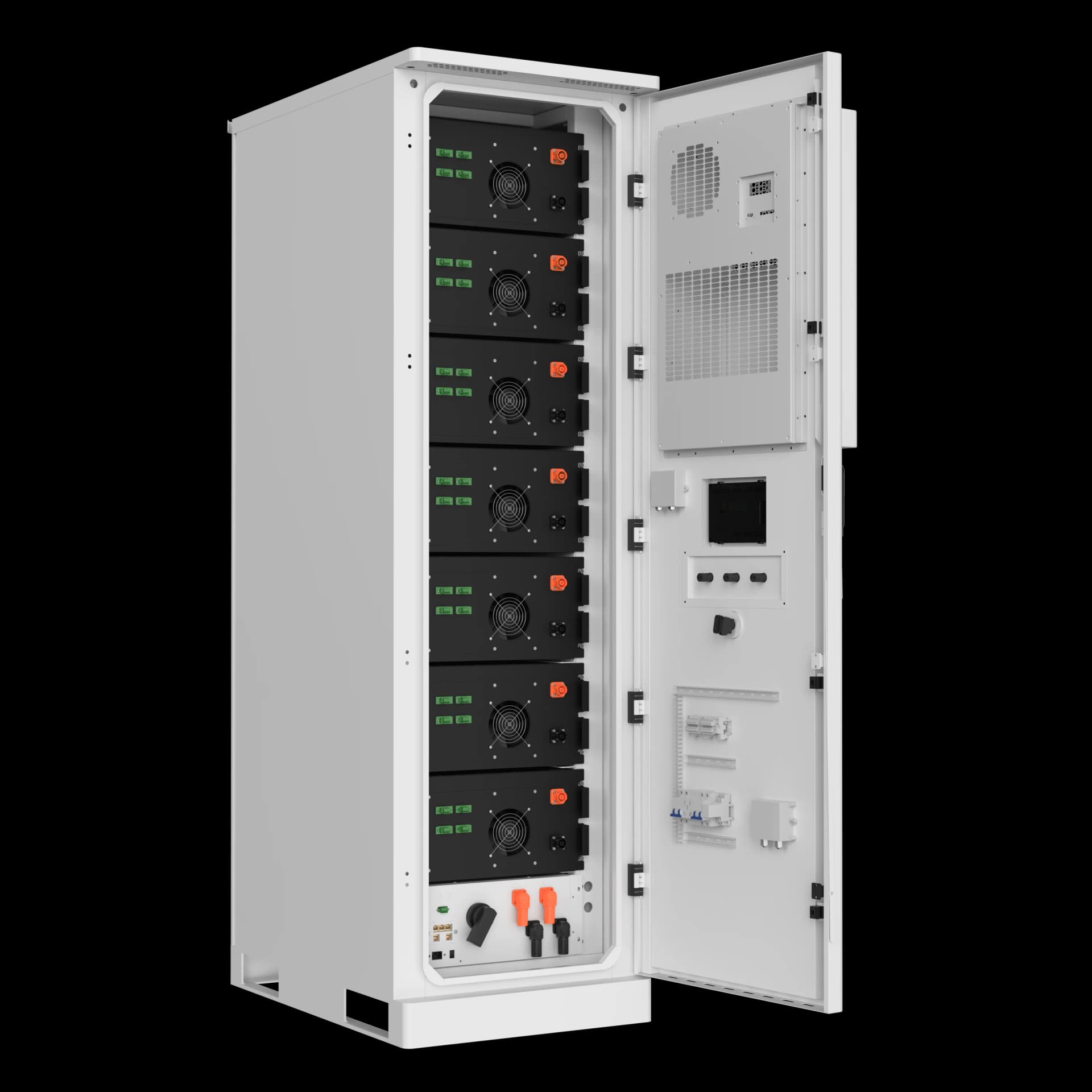
Map the factory load profile
Factory storage sizing should start with measured load data and production timing. Large motors, compressors, furnaces, pumps, HVAC, and process equipment can create short peaks that require a different power-to-energy ratio than office or retail loads.
- Provide interval load data and production schedule by shift.
- Identify critical loads that require backup and non-critical loads that can be shed.
- Confirm transformer capacity, grid contract, tariff rules, and expansion plans.
Installation and safety review
The quotation should define cabinet location, outdoor rating, cooling method, fire protection, access for service, crane or forklift route, electrical boundary, monitoring, and local documentation requirements.