Warehouse and retail storage

Battery Storage for Warehouses and Supermarkets

Warehouses and supermarkets can have steady daytime loads, refrigeration equipment, HVAC peaks, rooftop solar, and growing EV charging demand. Battery storage can support peak shaving, backup reserve, and solar self-consumption when the site load and critical equipment are defined clearly.

Application

Warehouse and supermarket battery storage

Common loads

Refrigeration, HVAC, lighting, EV charging

Use cases

Backup, peak shaving, solar self-use

Product route

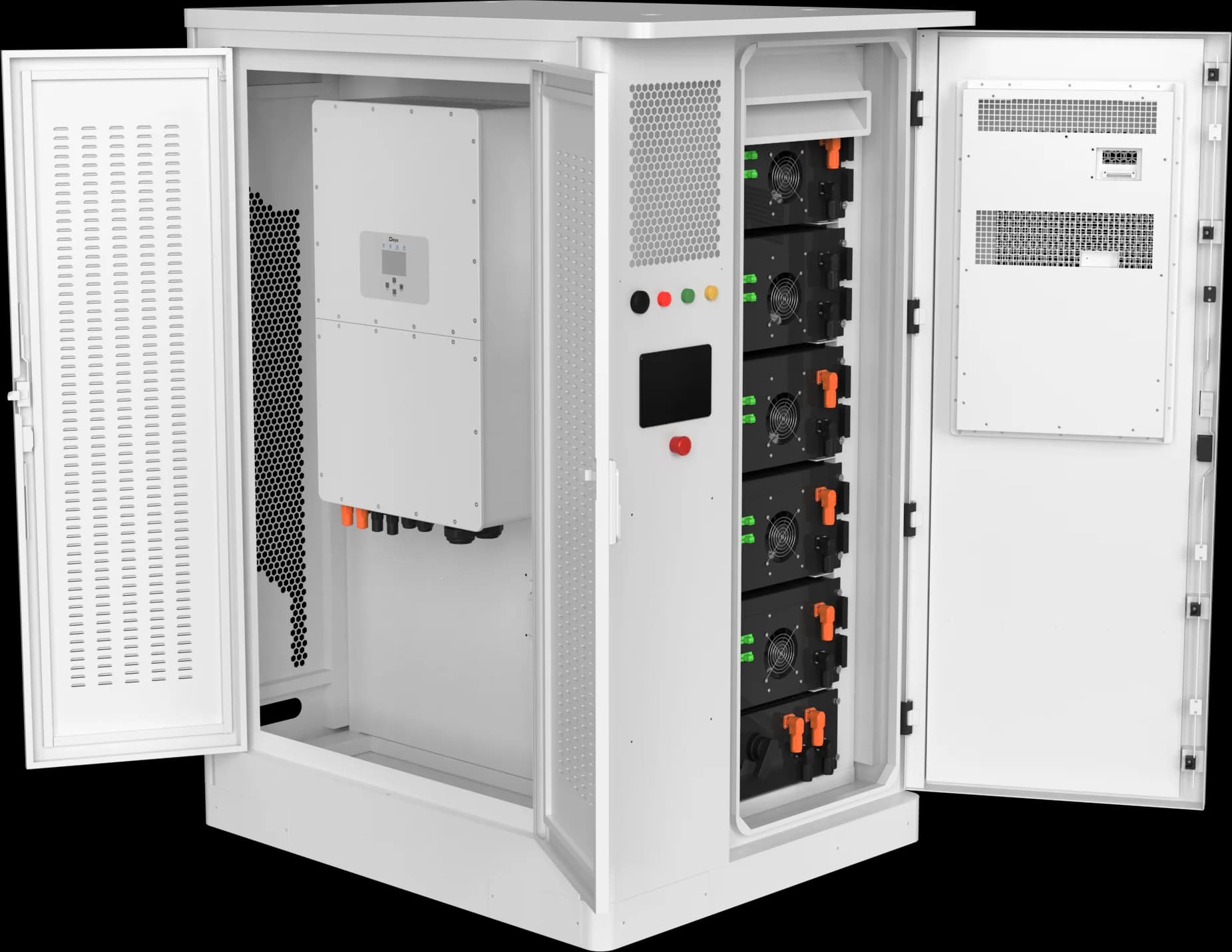
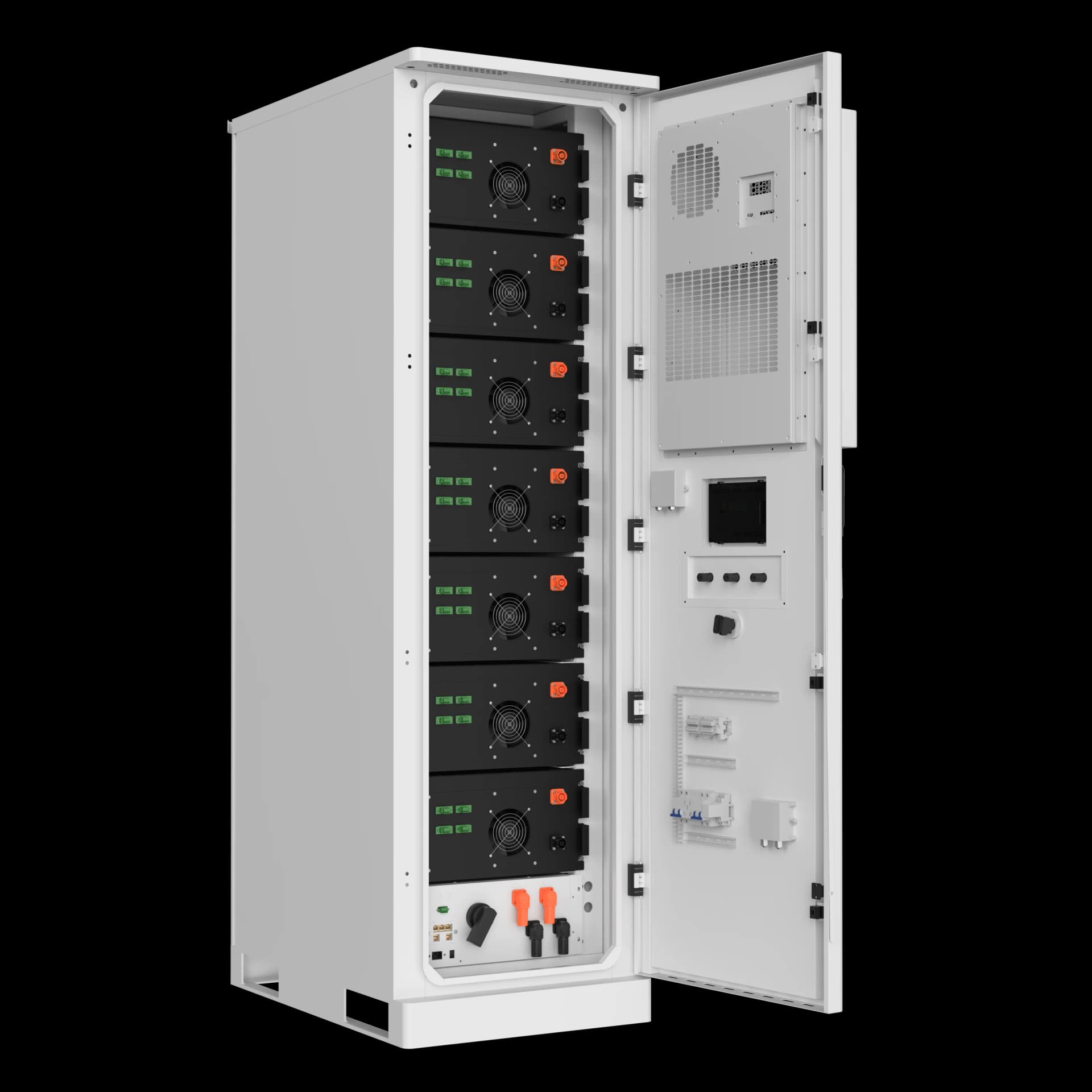
C&I ESS cabinet quotation

Separate critical refrigeration and normal loads

For supermarkets and cold-chain warehouses, backup requirements should separate refrigeration, controls, lighting, and safety systems from non-critical loads. The battery reserve strategy depends on how long critical loads must run during an outage.

  • List refrigeration compressors, HVAC, lighting, controls, and emergency systems separately.
  • Confirm rooftop PV generation and daytime load overlap.
  • Review EV charging plans because charger peaks can change the storage size.

Economic and operational review

The storage value can come from demand reduction, PV self-consumption, backup protection, or EV charging support. Each objective changes the battery reserve, discharge schedule, and EMS priorities.
Frequently asked questions

Selection questions

Can battery storage support supermarket refrigeration backup?

Yes, if critical refrigeration loads, startup current, backup duration, transfer architecture, and reserve strategy are correctly designed.

What information should a warehouse send for a quote?

Send load data, critical equipment list, PV capacity, EV charging plan, backup duration, site country, and available outdoor or indoor installation space.

Can one cabinet support both peak shaving and backup?

Yes, but backup reserve must be included in the sizing and EMS dispatch strategy.