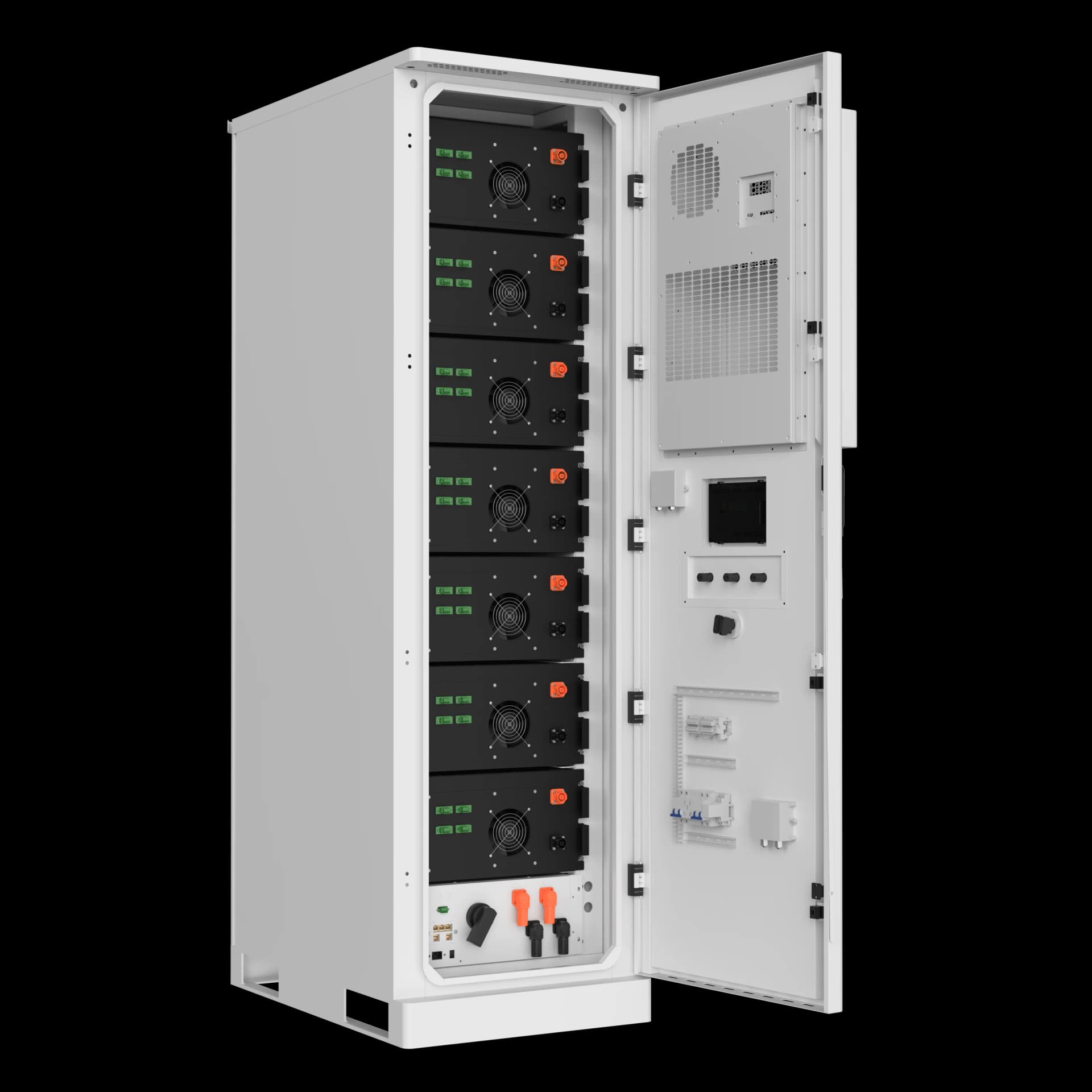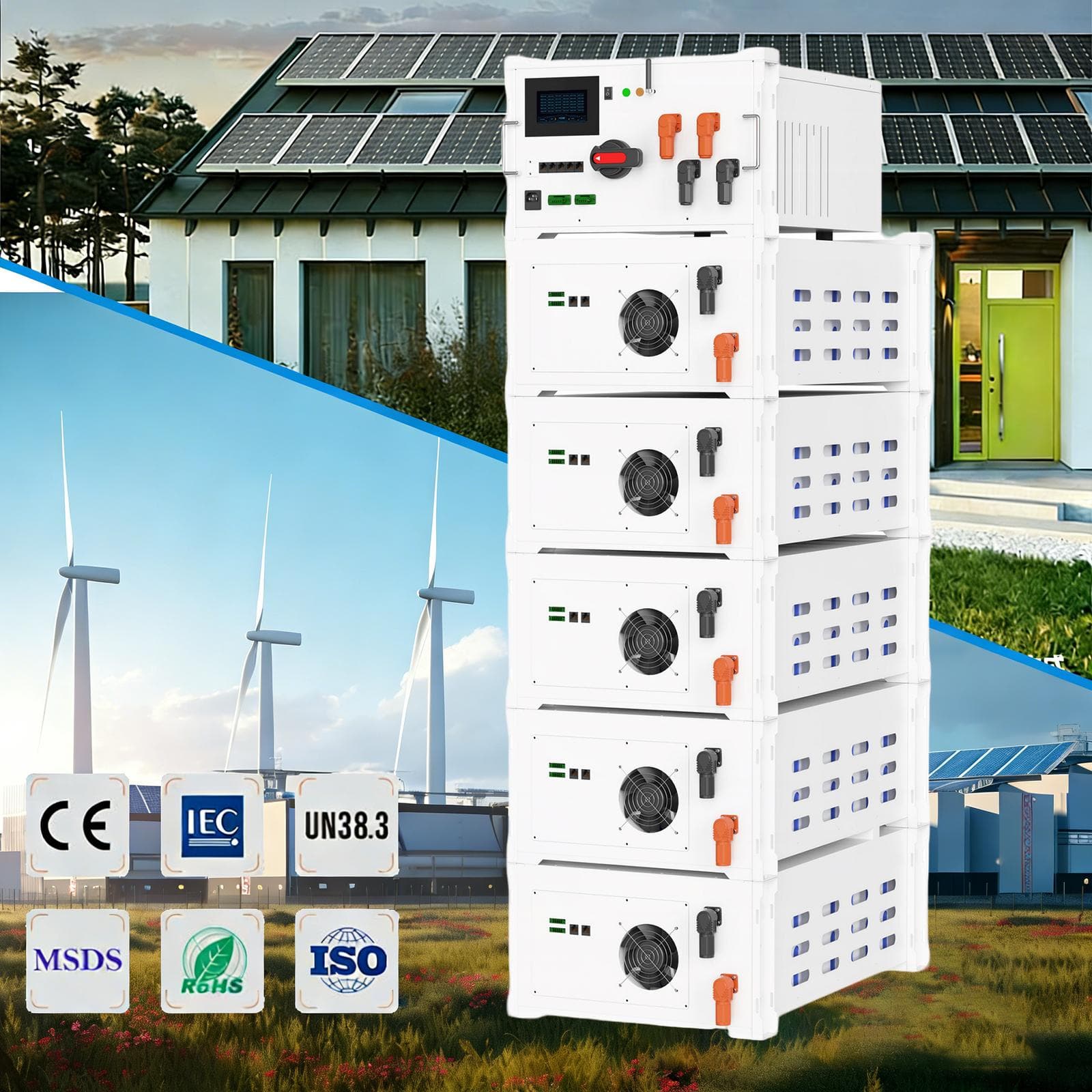
What a BMU does
A BMU typically collects cell voltage, temperature, balancing status, and module-level diagnostic information. It sends this information upstream to the BCU or rack master controller so the system can calculate limits, alarms, and operating status.
- Monitors cell and temperature channels assigned to the module or slave box.
- Supports balancing or reports balancing status depending on the architecture.
- Communicates with the BCU, which then interfaces with PCS, EMS, or inverter systems.
Why BMU quantity is project-specific
One BMU is not automatically enough for a rack. Required quantity depends on cell count, module layout, channel count, isolation design, wiring route, and the selected high-voltage BMS architecture.
BMU, BCU, CAN, and RS485 compatibility
Physical ports are not enough to prove compatibility. Confirm protocol, message map, address handling, baud rate, firmware version, state logic, alarms, and commissioning settings before purchasing ESS BMS hardware.