How air-cooled energy storage is evaluated
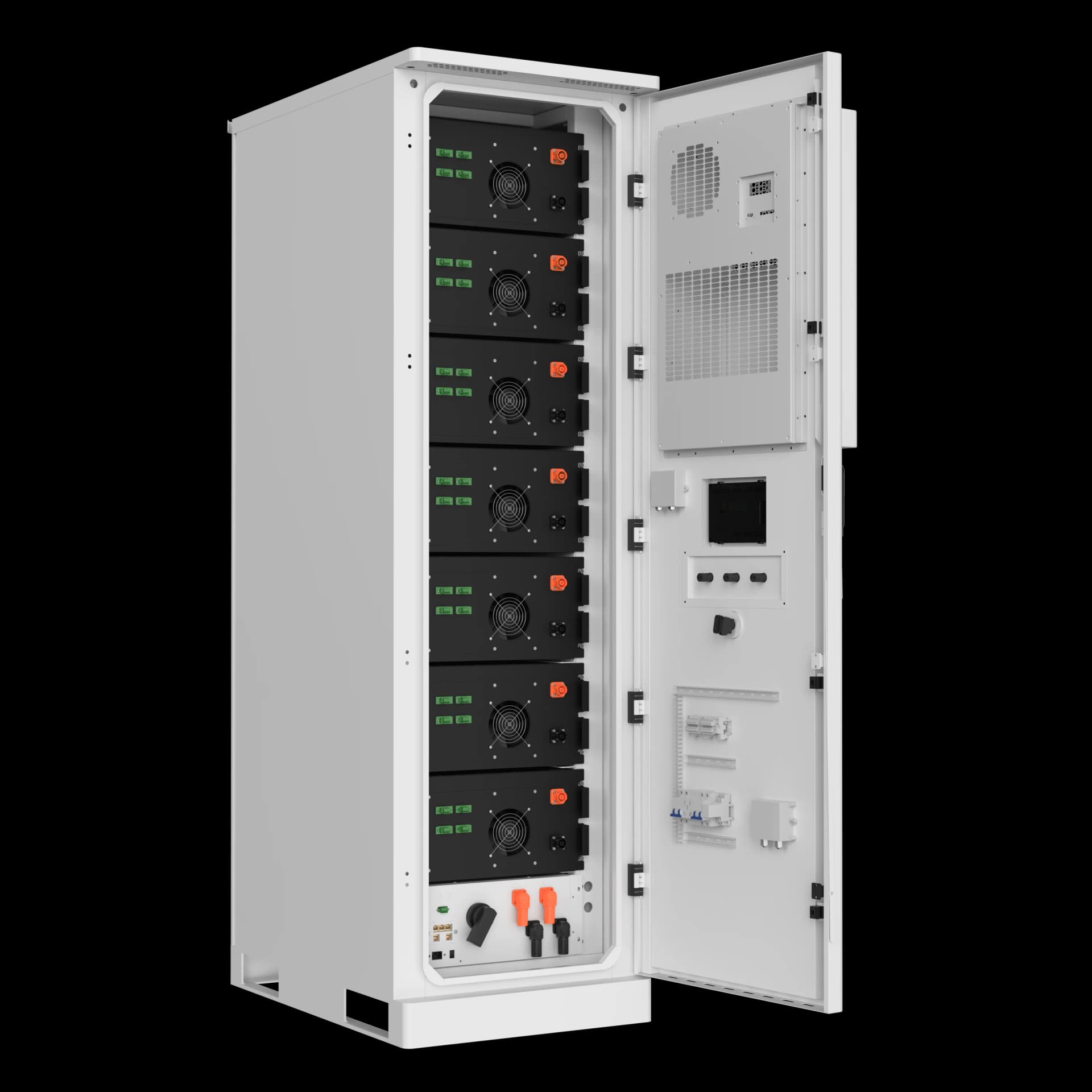
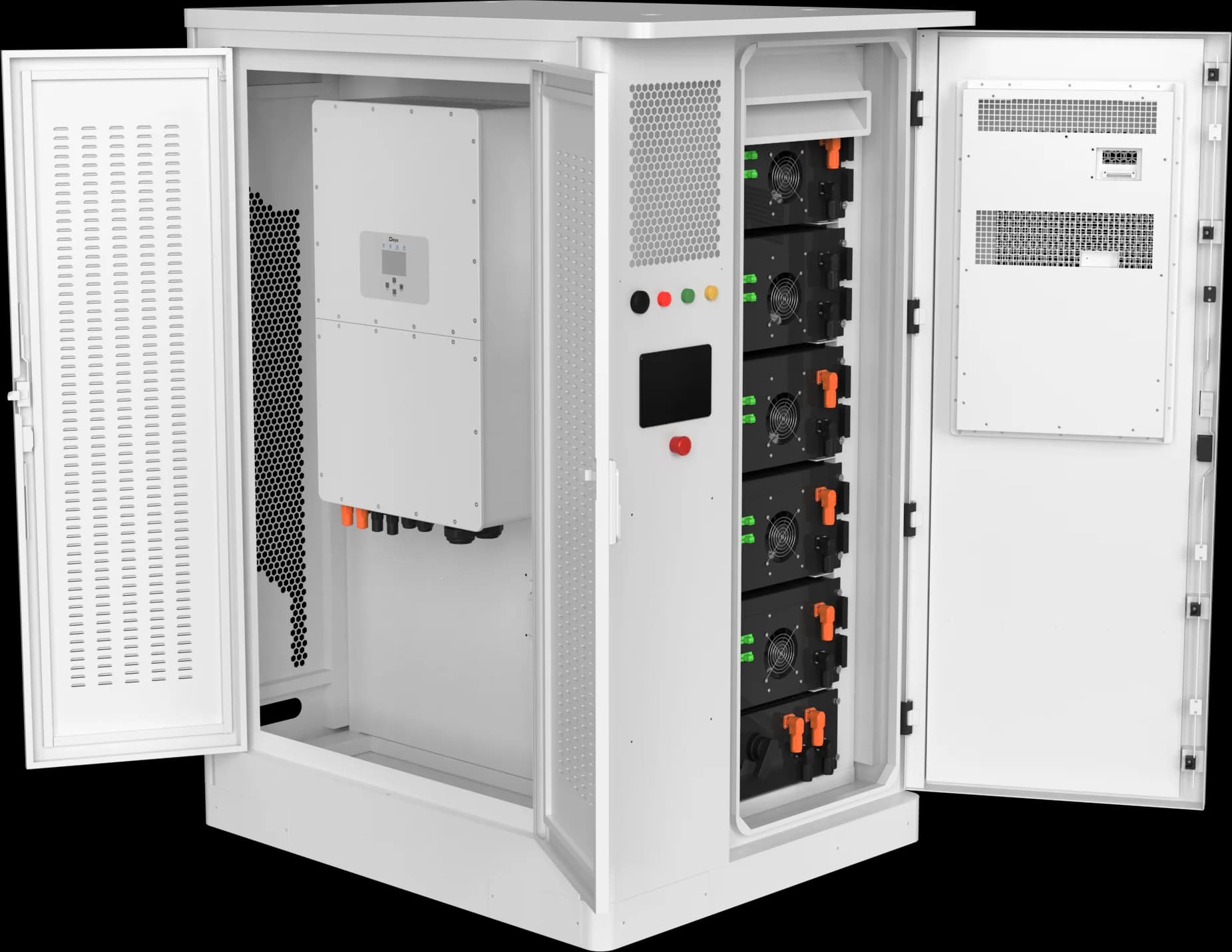
An air cooled energy storage system uses controlled airflow, fans, ducts, heat exchangers, and cabinet control logic to manage battery temperature. It can be appropriate when power density, ambient conditions, dust exposure, acoustic limits, and service expectations fit the project.
- Review airflow path, filter access, fan redundancy, cabinet spacing, and room ventilation.
- Confirm ambient temperature, altitude, humidity, dust, salt mist, and outdoor exposure.
- Check whether the cabinet duty cycle creates short peaks or sustained high thermal load.
When liquid cooling should be reviewed
Liquid cooling is often reviewed when high cabinet density, sustained charge or discharge, hot ambient conditions, or tighter cell temperature uniformity is required. It can improve thermal control, but introduces pumps, coolant circuits, leak detection, and additional service requirements.
Quotation inputs for the cooling system
Send the required kWh, PCS power, operating schedule, charge and discharge duration, installation country, minimum and maximum ambient temperature, available footprint, and maintenance constraints. The final quotation should identify the supplied thermal-management system.