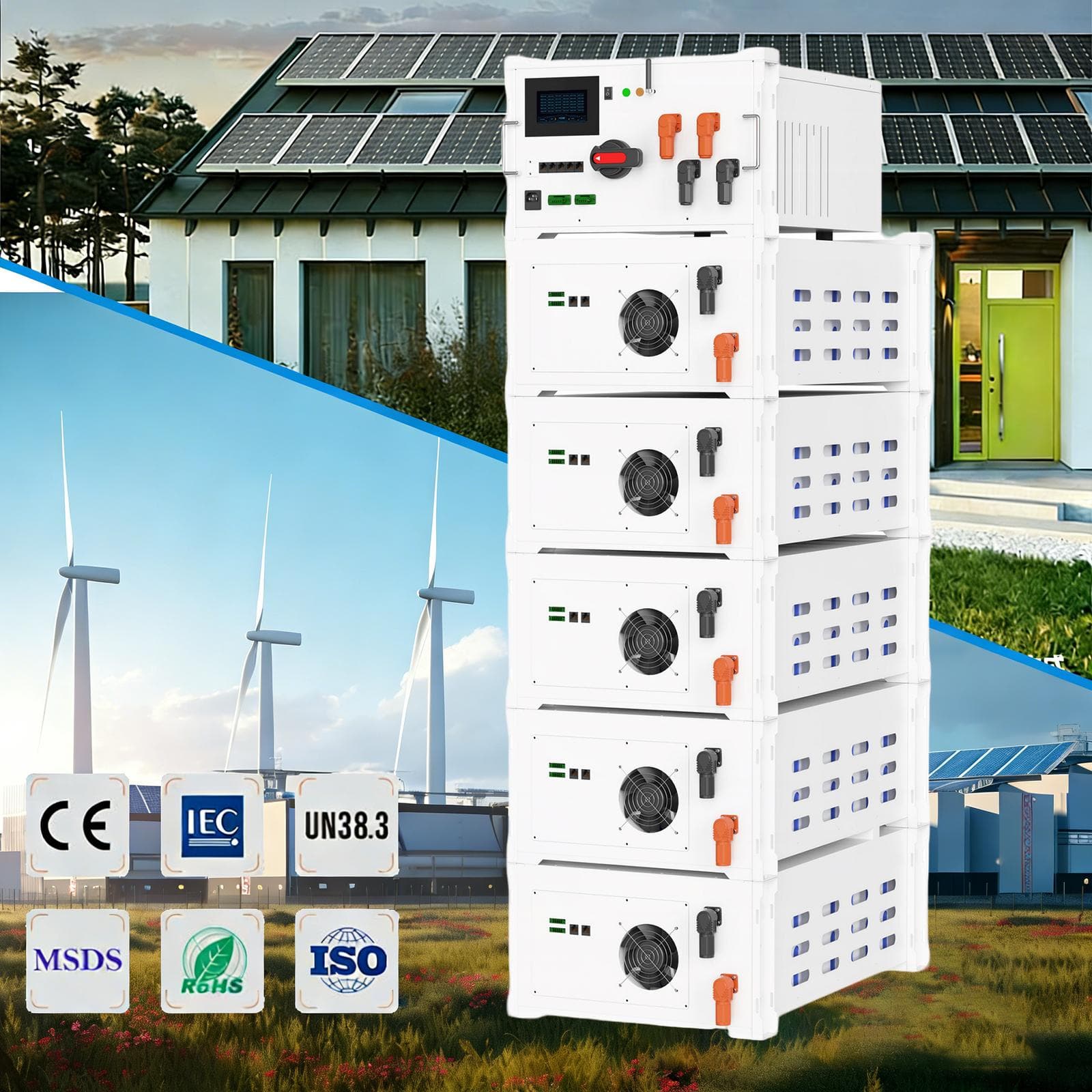
ESS rack control hardware

High Voltage BMS for ESS Battery Racks

A high voltage BMS for energy storage systems coordinates rack safety, cell monitoring, contactor logic, current limits, and communication with a PCS or EMS. The correct hardware combination depends on voltage, current, module topology, protocol requirements, and the final system boundary.

Current classes

100A and 200A hardware options

Control roles

Master BCU and slave BMU boxes

System interface

PCS, EMS, CAN, RS485 review

Use case

Commercial ESS racks and cabinets

Define the master and slave control scope

High voltage BMS hardware is not a complete battery pack. A functioning rack normally needs the correct master control box, slave monitoring boxes, sensors, contactors, pre-charge components, protection devices, wiring, PCS interface, and commissioning settings.

  • Confirm total series cell count, rack voltage range, module count, and BMU channel requirements.
  • Confirm continuous current, peak current, contactor selection, and pre-charge logic.
  • Confirm PCS or EMS protocol, message format, baud rate, and fault handling requirements.

Choose 100A or 200A from the electrical design

Current class should follow the project power requirement, battery module design, conductor rating, contactor rating, thermal condition, and operating schedule. A higher current option is not automatically better if the rest of the system is not designed for it.

Information to send before purchase

For a faster review, prepare a one-line diagram, rack voltage range, module arrangement, cell count, PCS model, required communication protocol, operating current, peak current, destination country, and any required compliance documentation.
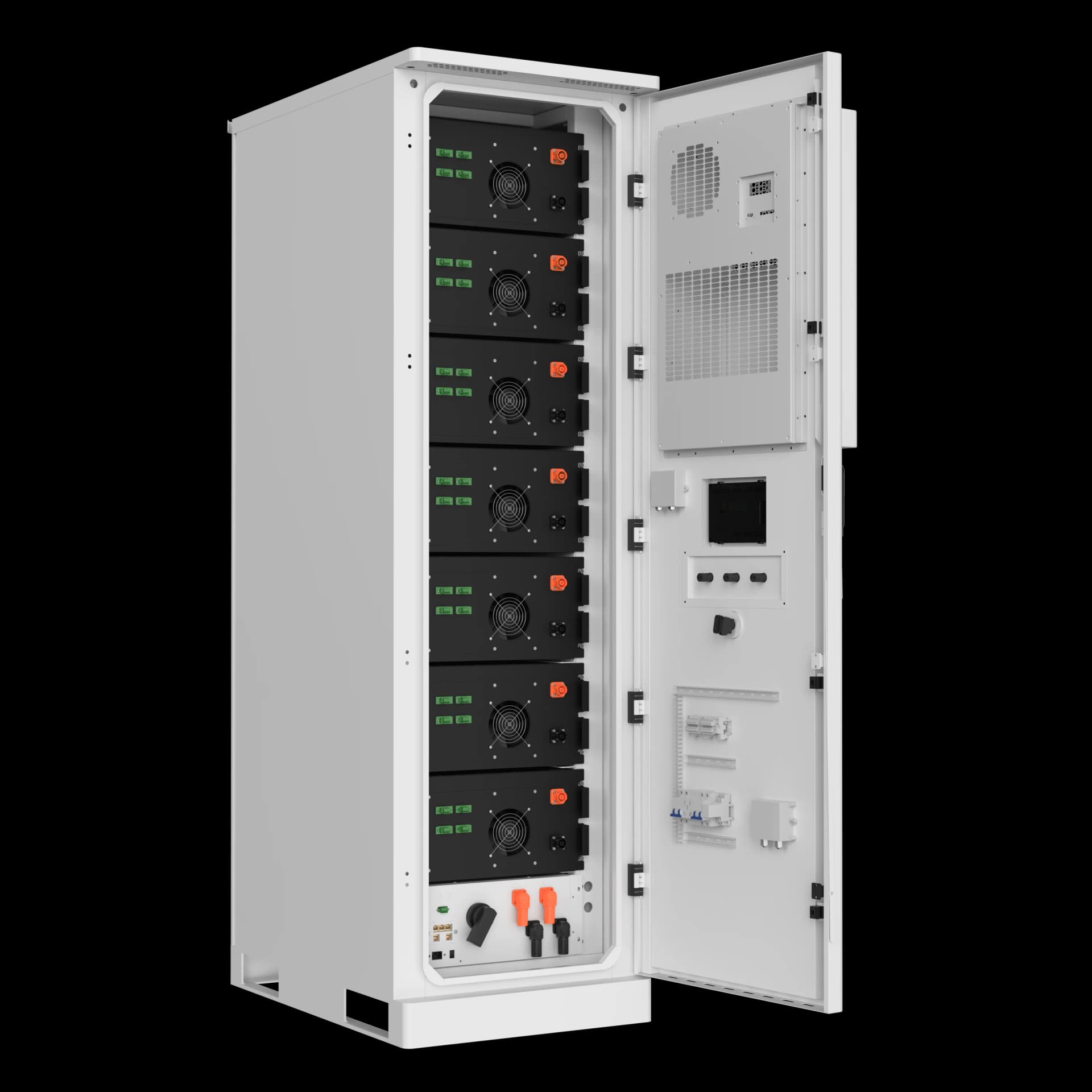
Frequently asked questions

Selection questions

Is a master control box enough for a complete high voltage battery rack?

No. It is one part of the control architecture. Slave monitoring, sensors, contactors, wiring, PCS communication, and commissioning requirements must also be defined.

How do I choose between 100A and 200A?

Choose from the project power, voltage, battery module design, conductor and contactor ratings, thermal conditions, and duty cycle.

Can JKESS review PCS communication compatibility?

Yes. Provide the PCS or EMS model and protocol document so JKESS can review communication and control requirements.