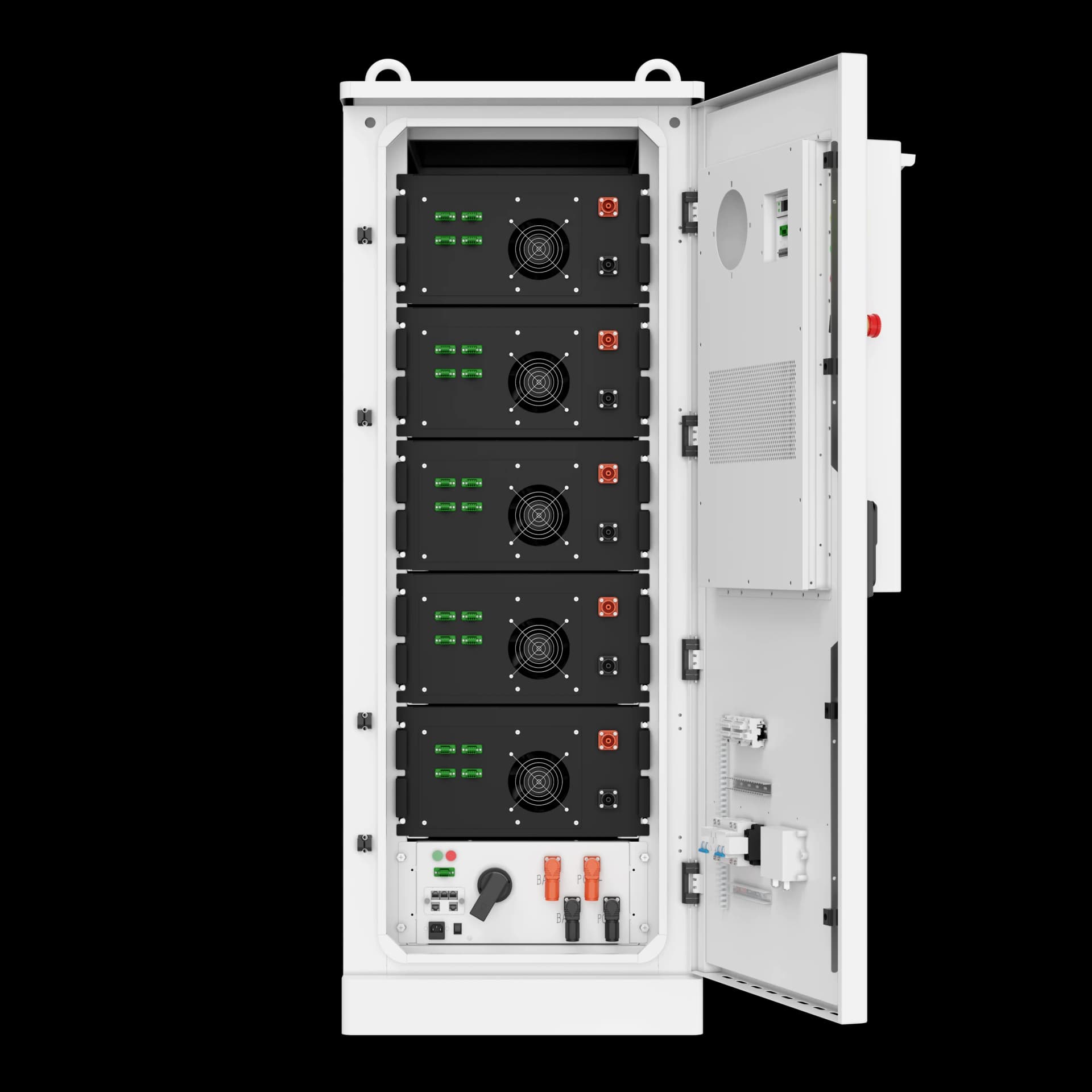
Solar self-consumption storage

Battery Storage for Solar Self-Consumption in Commercial Sites

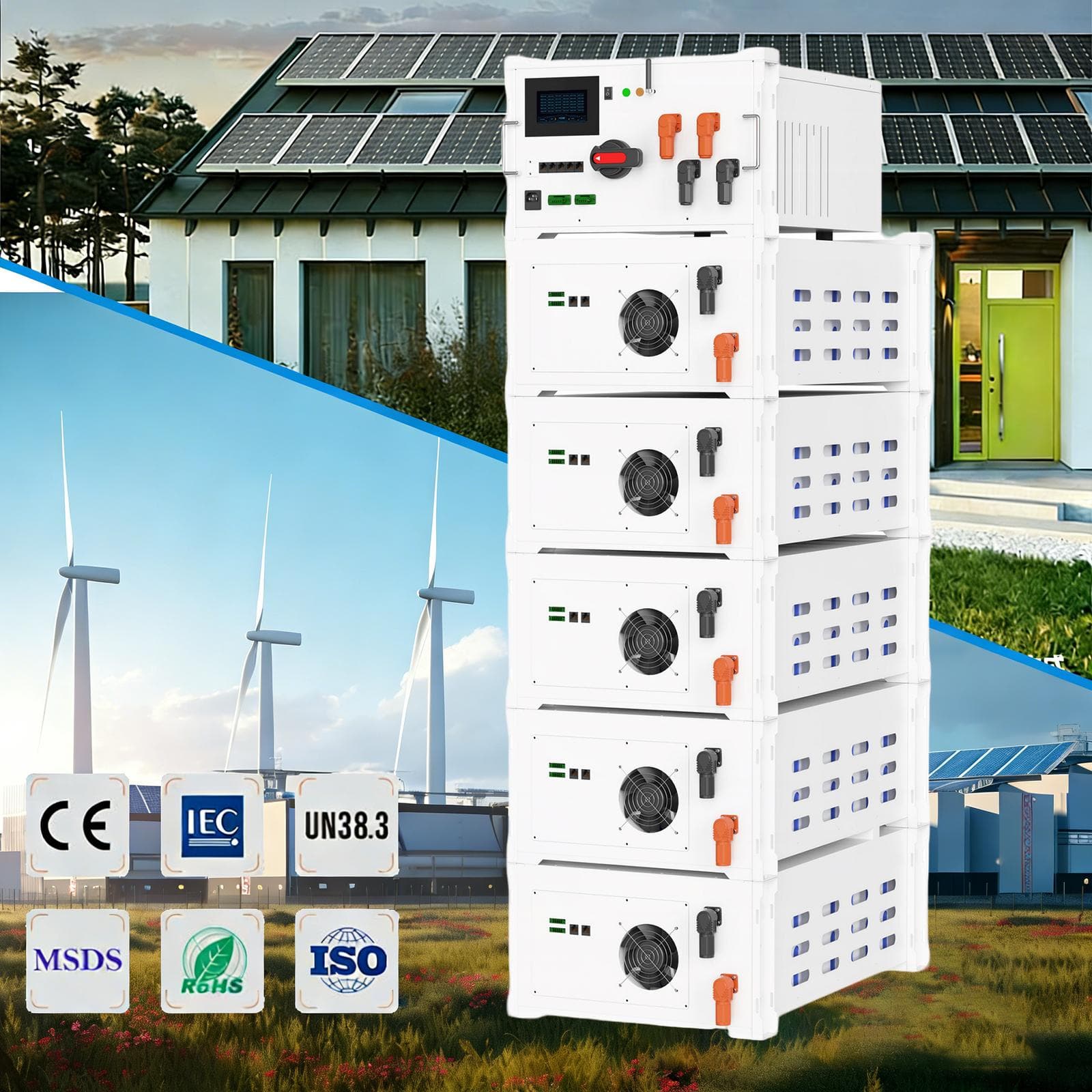
Commercial solar self-consumption projects use battery storage to capture PV energy that would otherwise be exported, curtailed, or used at a lower value. The storage system should be sized from PV production, load profile, tariff rules, export limits, backup reserve, and site operating schedule.

Application

Commercial solar self-consumption

Main inputs

PV curve, load profile, export rules

Control layer

EMS, PCS, BMS, meter integration

Product route

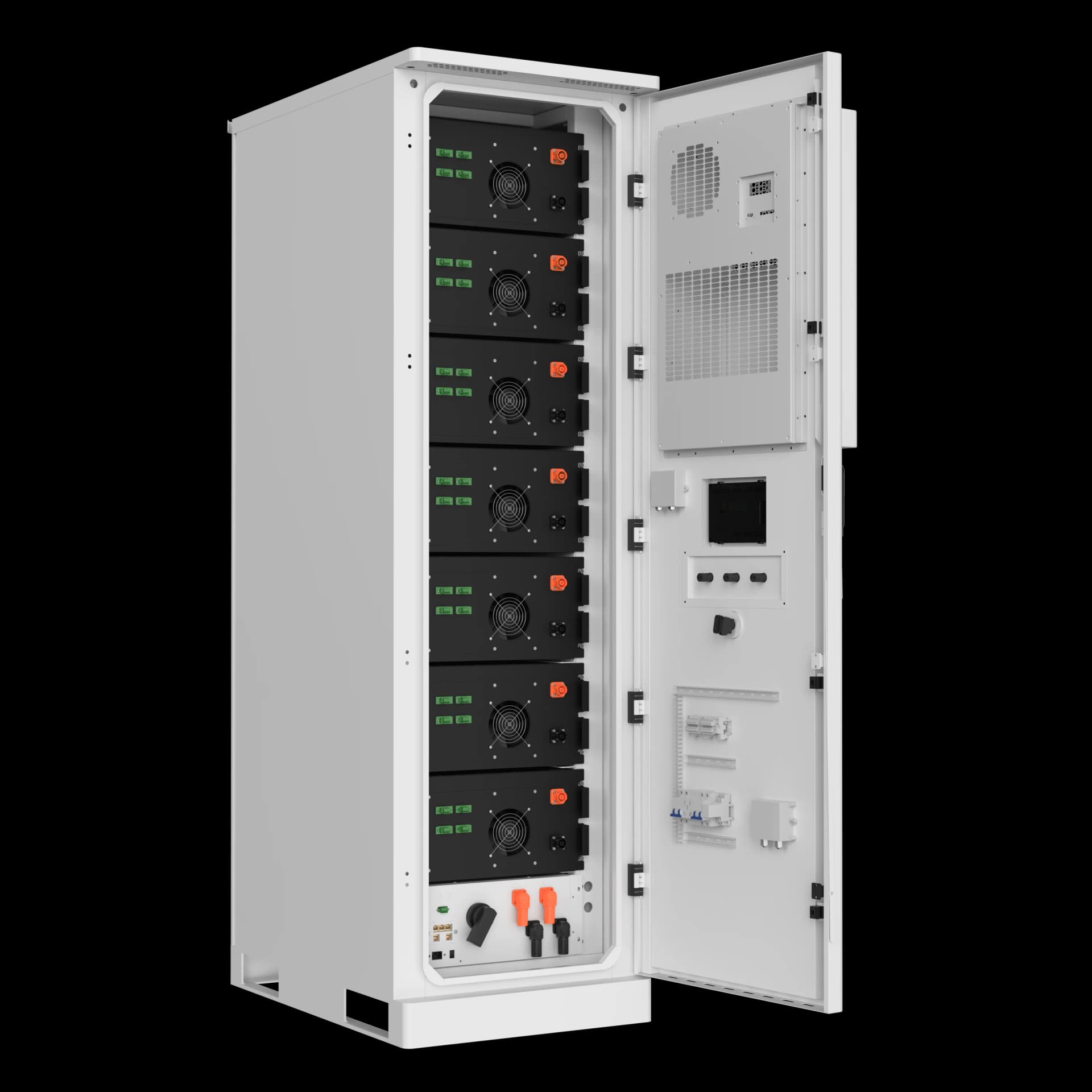
Configured C&I ESS cabinet quotation

Start from PV production and site load

A solar storage cabinet should not be selected from PV capacity alone. The useful battery capacity depends on how much daytime PV surplus exists, when the site consumes power, whether export is limited, and how much energy should be reserved for backup.

For a faster review, provide PV inverter capacity, historical generation data where available, interval load data, export rules, AC connection point, and the target operating objective.

  • Shift daytime PV surplus into evening or tariff-peak periods.
  • Reduce export, curtailment, or low-value grid feed-in where local rules allow.
  • Reserve part of the battery for backup only when the electrical architecture supports it.

How the cabinet configuration is reviewed

The correct cabinet configuration depends on usable kWh, PCS power, charge duration, discharge duration, cooling method, outdoor rating, monitoring, and local documentation requirements. The final quotation should define whether PV coupling, EMS logic, installation, and commissioning are included or excluded.
Frequently asked questions

Selection questions

Can battery storage increase solar self-consumption?

Yes, when there is usable PV surplus and the EMS can charge and discharge according to load, tariff, export, and reserve rules.

What data is needed for a solar storage quote?

Send PV capacity, inverter model, generation profile, load data, export rules, target backup reserve, site country, and available installation space.

Is this the same as peak shaving?

Not exactly. Solar self-consumption focuses on PV energy use, while peak shaving focuses on reducing demand peaks. One system can be designed for both if the capacity and control strategy allow it.