Choose a battery kit when the project owns integration
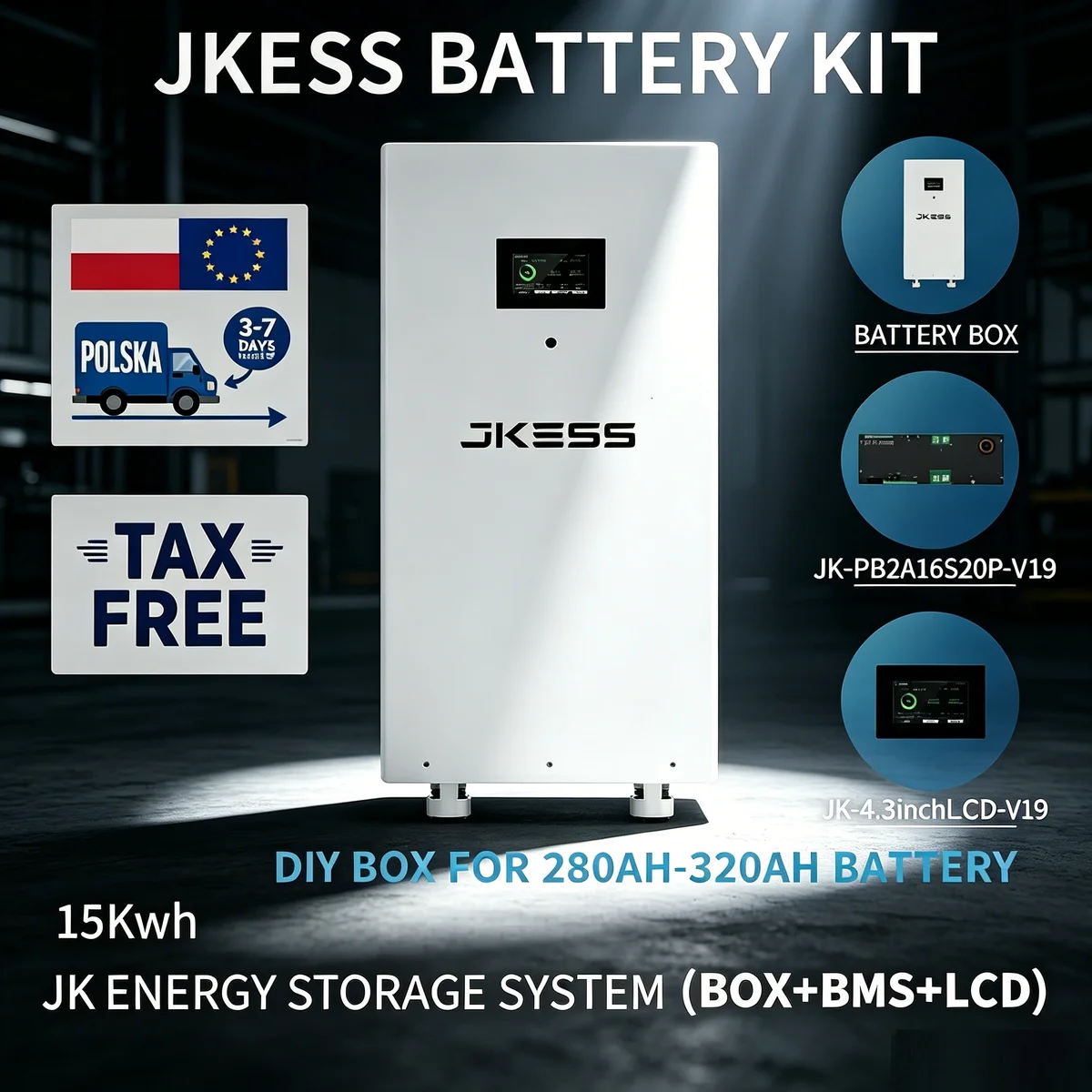
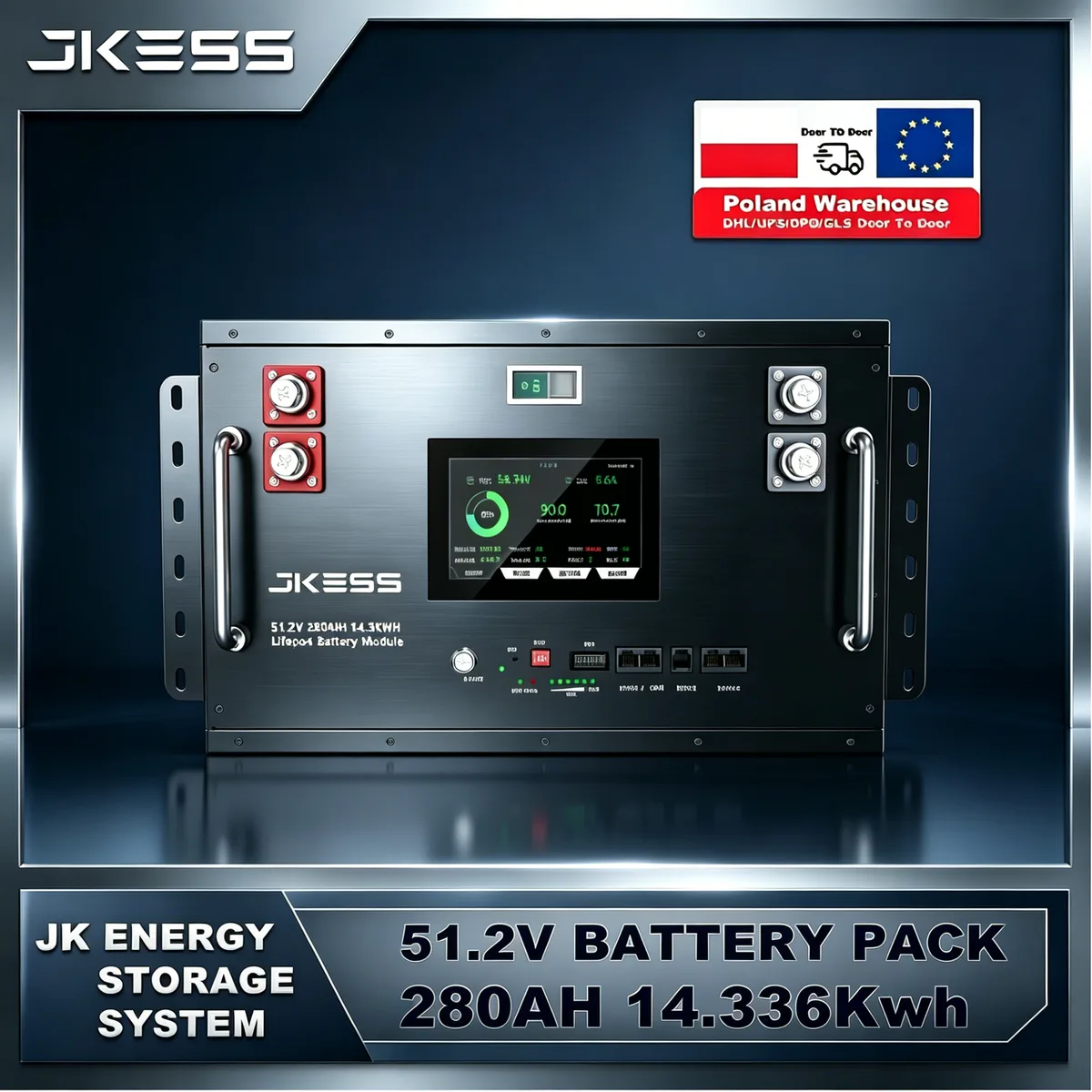
A battery kit can make sense when the buyer or installer already controls the cell selection, BMS configuration, inverter matching, protection design, assembly, testing, and commissioning process.
The kit helps define the mechanical enclosure and selected hardware scope, but it does not automatically include cells, inverter, site installation, or a complete energy storage system.
Choose a C&I cabinet when the project needs system scope
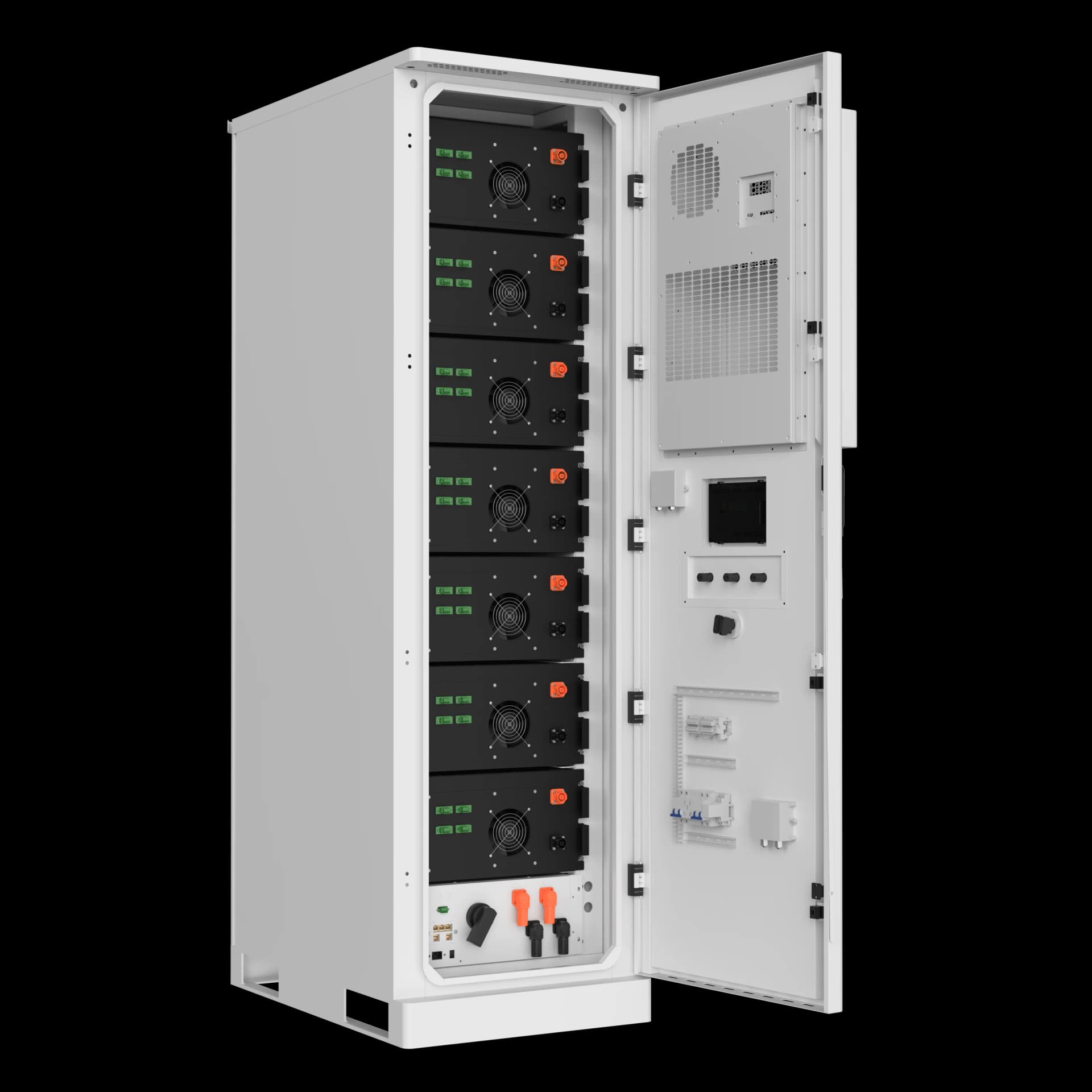
A C&I cabinet route is more appropriate when the project needs coordinated battery modules, BMS, PCS, EMS, cooling, enclosure, fire protection, monitoring, factory testing, and documentation.
- Use battery kits for residential, rack, demo, or small commercial assembly projects with known cells and electronics.
- Use C&I cabinets for peak shaving, backup, solar self-consumption, and commercial sites needing a configured system.
- Request cabinet quotation with load profile, capacity target, AC power, site conditions, grid data, and delivery scope.
- Confirm whether freight, duty, tax, installation, commissioning, and training are included or excluded.
How to avoid scope confusion
Before comparing prices, compare the included items. A low-cost enclosure kit and a configured ESS cabinet serve different procurement responsibilities. The signed written quotation should define the final scope for any project beyond simple product purchase.